Sustainable Development Goal of Nepal
Introduction
Sustainable Development Goals (SDGs) are a set of global targets established by the United Nations to address pressing challenges faced by humanity and the planet. These are a set of 17 global goals and 169 targets adopted by United Nations member states in 2015, aiming to address various social, economic, and environmental challenges by 2030. Each goal has specific targets to achieve a sustainable and inclusive future for all.
SDGs and Nepal: An overview
Nepal has embraced the SDGs as a roadmap for its development journey. The government, along with various stakeholders, is committed to achieving these goals. The SDGs play a crucial role in guiding policies and programs to promote sustainable growth in the country. Nepal aims to eradicate poverty in all its forms and dimensions, with a focus on uplifting vulnerable and marginalized populations. Despite progress, poverty remains a significant challenge in Nepal. The government has implemented various poverty alleviation programs, including social welfare schemes and income generation projects, to vulnerable communities especially in rural areas.
Goal 1: Poverty reduction
Nepal aims to eradicate poverty in all its forms and dimensions, with a focus on uplifting vulnerable and marginalized populations. Despite progress, poverty remains a significant challenge in Nepal. The government has implemented various poverty alleviation programs, including social welfare schemes and income generation projects, to vulnerable communities especially in rural areas.
Goal 2: Zero hunger
End hunger, achieve food security, and improved nutrition, and promote sustainable agriculture. Nepal has made remarkable progress in reducing hunger and malnutrition. However, food security remains a concern in certain regions. Sustainable agricultural practices and improved access to nutritious food are essential for achieving this goal.
Goal 3: Good Health and well being
Ensure healthy lives and promote well-being for all at all ages. Nepal is striving to improve healthcare services, maternal and child health, and combatting infectious diseases like HIV/AIDS and tuberculosis Healthcare services have improved in Nepal, but access to quality healthcare remains unequal, especially in remote areas. Focusing on preventive measures and strengthening healthcare infrastructure is crucial for ensuring good health and well-being for all.
Goal 4: Quality education
The country is committed to ensuring inclusive and equitable access to quality education for all, emphasizing education for girls and marginalized groups. Education is a priority for Nepal, and progress has been made in expanding access to education. However, ensuring quality education for all is a persistent challenge that requires addressing issues such as teacher training and curriculum development.
Goal 5: Gender equality
Nepal is working towards empowering women and girls, promoting gender equality, and eliminating violence and discrimination. Gender disparities persist in Nepal, affecting women’s empowerment and participation in various sectors. Promoting gender equality through legal reforms, social programs, and awareness campaigns is essential for inclusive development.
Goal 6 : Ensuring access to clean water and sanitation
The goal is aims to ensure access to clean and safe water and improve sanitation facilities for all by the year 2030. In Nepal, a country blessed with abundant water resources, achieving SDG 6 is of utmost importance to improve the lives of its people and foster sustainable development.
Goal 7: Affordable and clean energy
Nepal is harnessing its hydropower potential to provide affordable and renewable energy sources. Nepal is rich in renewable energy resources, and efforts to harness clean energy have been commendable. Expanding access to affordable and clean energy is vital for sustainable development and reducing reliance on fossil fuels.
Goal 8: Decent work and economic growth
Promote sustained, inclusive, and sustainable economic growth, full and productive employment, and decent work for all. The goal focuses on promoting inclusive and sustainable economic growth, employment, and decent work for all. In Nepal, this goal holds particular significance as the country is striving to strengthen its economy and create opportunities for its growing population. The government has initiated various policies and programs to enhance employment opportunities, especially in sectors like agriculture, manufacturing, and tourism.
Goal 9: Industry, innovation, and infrastructure
It aims to build resilient infrastructure, promote inclusive and sustainable industrialization, and foster innovation. Developing infrastructure and promoting innovation are crucial for Nepal’s economic growth. Investment in transport, communication, and technological advancements can drive progress in this direction.
Goal 10: Reduced inequalities
Reduce inequality within and among countries. Reducing inequalities is a crucial aspect of Nepal’s development agenda. With a diverse population and variations in income levels, addressing social and economic disparities is vital. The country has implemented measures to enhance access to basic services, such as education and healthcare, for marginalized communities. Moreover, efforts are being made to bridge the rural-urban divide and uplift the living standards of those in remote areas.
Goal 11: Sustainable cities and communities
The country is striving to develop resilient and sustainable cities and communities, focusing on infrastructure and urban planning. Rapid urbanization poses challenges to sustainable development in Nepal. Creating well-planned, eco-friendly cities and promoting community participation are essential for balanced urban growth.
Goal 12: Responsible consumption and production
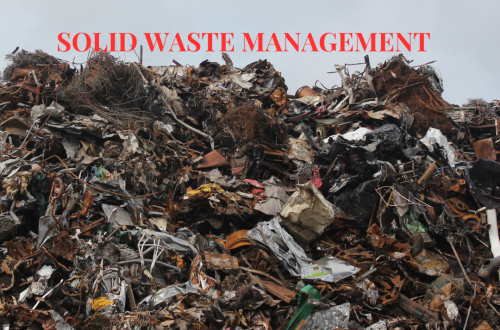
The goal aims to ensure sustainable patterns of consumption and production to minimize environmental impacts and promote resource efficiency. In Nepal, a country blessed with abundant natural resources, promoting responsible practices is imperative. The government, in collaboration with non-governmental organizations and private entities, has been promoting sustainable agriculture, waste management, and renewable energy projects. These initiatives aim to reduce the ecological footprint and preserve the environment for future generations.
Goal 13: Climate action
Take urgent action to combat climate change and its impacts. Nepal is committed to addressing climate change challenges, protecting its environment, and promoting sustainable practices. Nepal is vulnerable to the impacts of climate change, including glacial melt, erratic weather patterns, and natural disasters. Adopting climate-resilient practices and supporting international efforts are vital for climate action.
Goal 14: Life Below Water
Conserve and sustainably use the oceans, seas, and marine resources. Given Nepal’s landlocked geography and its dependence on rivers and water bodies, the goal becomes of great significance. It focuses on conserving and sustainably using the oceans, seas, and marine resources. Although Nepal is not a coastal nation, it shares an active interest in preserving freshwater ecosystems, which play a vital role in the livelihood of its people. The country has been working to curb water pollution, protect aquatic life, and promote responsible water resource management.
Goal 15 – Life on Land
Protect, restore, and promote sustainable use of terrestrial ecosystems, sustainably manage forests, combat desertification, and halt and reverse land degradation and halt biodiversity loss. Nepal, with its Himalayan mountains, hills, and plains, boasts a unique ecosystem that must be safeguarded for future generations.
Goal 16: Peace, justice, and strong institutions
Nepal aims to foster peaceful and inclusive societies, strengthen the rule of law, and build effective and accountable institutions at all levels. Promoting good governance, access to justice, and ensuring peace and security are integral to Nepal’s development. Strengthening institutions and upholding human rights are crucial for achieving this goal.
Goal 17: Partnerships for the Goals
The goal emphasize the importance of global partnerships and collaboration to achieve sustainable development. Nepal recognizes the significance of working together with other countries, international organizations, and civil society to address common challenges. The government actively engages in regional and global forums to share experiences, knowledge, and best practices, while also seeking support for its development initiatives.
Full PDF of Sustainable Development Goals (SDGs)
For more: click here