Vitamin D Deficiency: Symptoms, Causes, Risk Factors and Treatment
Introduction
Vitamin D
Vitamin D is a fat-soluble vitamin that plays an important role in maintaining healthy bones and muscles and regulating calcium and phosphate metabolism. The body can produce vitamin D in the skin when it is exposed to ultraviolet B (UVB) radiation from sunlight. Vitamin D is also obtained from certain foods and dietary supplements.


Vitamin D obtained from sunlight, foods or supplements is biologically inactive and undergoes two hydroxylation steps in the body. The first conversion occurs mainly in the liver, where vitamin D is converted to 25-hydroxyvitamin D [25(OH)D], also called calcidiol. The second conversion occurs primarily in the kidneys, producing the biologically active form, 1,25-dihydroxyvitamin D [1,25(OH)₂D], also called calcitriol. Adequate vitamin D is important for normal calcium and phosphate metabolism and bone health.
Vitamin D Deficiency
Vitamin D deficiency occurs when vitamin D levels are too low to adequately support normal physiological functions. Severe deficiency can impair calcium and phosphate metabolism and may result in rickets in children and osteomalacia in adults.
The main test used to assess vitamin D status is serum 25-hydroxyvitamin D [25(OH)D]. According to the NIH Office of Dietary Supplements, vitamin D levels are interpreted as follows:
- Below 30 nmol/L (12 ng/mL): Indicates vitamin D deficiency.
- 30 to less than 50 nmol/L (12 to less than 20 ng/mL): May be inadequate for bone and overall health.
- 50 nmol/L (20 ng/mL) or higher: Generally adequate for most people.
There is no single vitamin D level that defines deficiency in everyone. Test results should be interpreted based on the person’s age, health condition, risk factors, and laboratory testing method.
Functions of Vitamin D
Vitamin D performs several important functions in the body.
- Vitamin D helps the intestine absorb calcium from food, which is important for normal bone formation and maintenance.
- Adequate vitamin D and calcium support normal bone mineralization and overall bone health.
- Vitamin D contributes to normal muscle function and helps maintain muscle strength.
- Vitamin D supports normal bone growth and development during childhood.
- Vitamin D helps regulate calcium and phosphate levels, which are important for healthy bones and teeth.
Symptoms of Vitamin D deficiency
Mild vitamin D deficiency may not cause noticeable symptoms. Some people can have low vitamin D levels without obvious signs.
When deficiency becomes more severe, possible symptoms may include:
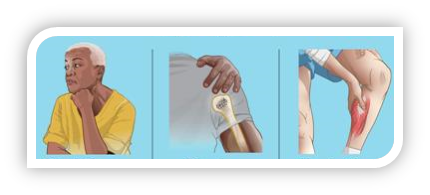
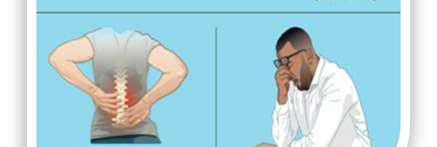
- Bone pain
- Muscle weakness
- Muscle aches
- Fatigue
- Difficulty climbing stairs
- Difficulty getting up from a chair
- Increased risk of falls in some older adults
- Weak bones and fractures in severe cases
- Severe deficiency can cause rickets in children and osteomalacia in adults.
These symptoms are not specific to vitamin D deficiency. Fatigue, muscle weakness, and body aches can occur with many other health conditions. Therefore, appropriate clinical assessment and laboratory testing may be needed when vitamin D deficiency is suspected.
Causes of Vitamin D deficiency
Vitamin D deficiency can result from inadequate vitamin D production, insufficient dietary intake, reduced absorption, impaired metabolism, or certain medications.The main causes and risk factors include:
1. Limited sunlight exposure: Spending little time outdoors reduces vitamin D production in the skin. Sunlight exposure varies with season, location, skin pigmentation, clothing, and other factors. Excessive UV exposure can damage the skin.
2. Inadequate dietary intake: Few foods naturally contain significant amounts of vitamin D. Sources include fatty fish, egg yolks, fortified milk, cereals, and plant-based beverages.
3. Darker skin: Higher melanin levels reduce vitamin D production from sunlight under similar conditions.
4. Older age: Vitamin D production in the skin decreases with age. Older adults may also spend less time outdoors and consume less vitamin D.
5. Obesity: People with obesity may have lower blood vitamin D levels because vitamin D is distributed into body fat.
6. Malabsorption disorders: Conditions such as celiac disease, Crohn’s disease, and cystic fibrosis can reduce vitamin D absorption.
7. Kidney or liver disease: Diseases affecting the kidneys or liver can interfere with vitamin D metabolism and activation.
8. Certain medications: Long-term corticosteroid use and some other medicines can affect vitamin D metabolism and calcium absorption.
9. Pregnancy: Inadequate dietary intake, limited sunlight exposure, and other risk factors may contribute to low vitamin D levels during pregnancy.
10. Gastric bypass surgery: This surgery may reduce vitamin D absorption and increase the risk of deficiency.
Groups at higher risk
- Breastfed infants
- Older adults
- People with limited sunlight exposure
- People with darker skin
- People with obesity
- People with malabsorption disorders
- People who have undergone gastric bypass surgery
- People with liver or kidney disease
- People with inadequate dietary intake
Women, particularly during pregnancy and older age, may need special attention to vitamin D intake because of changing nutritional needs and bone-health considerations. However, being female alone does not mean a person has vitamin D deficiency.
Vitamin D deficiency in women
Women may develop vitamin D deficiency due to limited sunlight exposure, inadequate dietary intake, age, pregnancy, or underlying health conditions. Adequate vitamin D is important for maintaining bone health throughout life.
Vitamin D deficiency during pregnancy
Vitamin D supports calcium metabolism and normal bone development in the fetus. Limited sunlight exposure and inadequate dietary intake may increase the risk of deficiency during pregnancy. Supplementation should follow professional guidance, and high doses should be avoided without medical advice.
Vitamin D rich foods
Foods containing vitamin D include:
- Fatty fish
- Egg yolks
- Fortified milk
- Fortified cereals
- Fortified plant-based beverages
- Some mushrooms exposed to UV light
- Other vitamin D-fortified foods
The amount of vitamin D provided by foods varies, and natural food sources may not always provide enough vitamin D for everyone.
Sunlight and Vitamin D
Sunlight is an important natural source of vitamin D. UVB radiation stimulates vitamin D production in the skin.
Diagnosis of Vitamin D deficiency
Serum 25-hydroxyvitamin D [25(OH)D] is the best test to assess vitamin D status.
- 12–less than 20 ng/mL: Vitamin D insufficiency
- Less than 12 ng/mL: Vitamin D deficiency
Serum parathyroid hormone (PTH) may also be measured, as its level can increase when vitamin D is low.
Screening is recommended for high-risk individuals, including those with osteoporosis, malabsorption, obesity (BMI above 30 kg/m²), chronic kidney disease, or disorders affecting vitamin D metabolism.
When to seek medical advice
Consult a healthcare professional if an individuals have:
- Persistent bone pain
- Unexplained muscle weakness
- Recurrent fractures
- Significant muscle or bone symptoms
- Risk factors for vitamin D deficiency
- A previous diagnosis of vitamin D deficiency
- A condition affecting vitamin D absorption or metabolism
Pregnant women, infants, older adults, and people with chronic kidney, liver, gastrointestinal, or malabsorption conditions may require individualized assessment.
Treatment of Vitamin D deficiency
Vitamin D deficiency is treated with vitamin D₂ (ergocalciferol) or vitamin D₃ (cholecalciferol). The recommended regimens are as follows:
1. Adults
- Vitamin D₂ or D₃: 50,000 IU once weekly for 8 weeks, or 6,000 IU daily for 8 weeks.
- Maintenance dose: After correction, 1,500–2,000 IU daily.
2. Children aged 1–18 years
- Vitamin D₂ or D₃: 2,000 IU daily for at least 6 weeks, or 50,000 IU once weekly for at least 6 weeks.
- Maintenance dose: 600–1,000 IU daily.
3. Infants up to 1 year
- Vitamin D₂ or D₃: 2,000 IU daily for 6 weeks, or 50,000 IU once weekly for 6 weeks.
- Maintenance dose: 400–1,000 IU daily.
4. High-risk individuals
People with obesity, malabsorption, or medications affecting vitamin D metabolism may require 6,000–10,000 IU daily initially, followed by 3,000–6,000 IU daily for maintenance.
Prevention of Vitamin D deficiency
The risk of vitamin D deficiency may be reduced by:
- Eating a balanced diet
- Including foods containing vitamin D
- Using appropriate fortified foods
- Maintaining adequate calcium intake
- Having sensible outdoor activity
- Avoiding excessive UV exposure
- Managing medical conditions that affect vitamin D absorption or metabolism
- Taking vitamin D supplements when recommended by a healthcare professional
People at higher risk may need individualized dietary, lifestyle, or supplementation advice.
Frequently Asked Questions
What is the main test for vitamin D deficiency?
The main laboratory test used to assess vitamin D status is the serum 25-hydroxyvitamin D [25(OH)D] blood test.
What are the common symptoms of vitamin D deficiency?
Possible symptoms include fatigue, bone pain, muscle weakness, and muscle aches. However, mild vitamin D deficiency may cause no noticeable symptoms.
Can vitamin D deficiency cause weak bones?
Yes. Severe vitamin D deficiency can impair bone mineralization and cause rickets in children and osteomalacia in adults.
Can vitamin D deficiency be treated only with sunlight?
Not always. Vitamin D status is influenced by sunlight exposure, diet, individual characteristics, absorption, and medical conditions. Some people may require vitamin D supplementation under professional guidance.
Can I take vitamin D supplements without testing?
Routine testing is not necessary for every healthy person. However, people with symptoms, risk factors, or certain medical conditions may need assessment. High-dose supplementation should not be started without appropriate professional advice.
Is vitamin D deficiency common in women?
Women can develop vitamin D deficiency when they have risk factors such as limited sunlight exposure, inadequate dietary intake, malabsorption, obesity, or certain medical conditions. Being female alone does not indicate vitamin D deficiency.
What foods are high in vitamin D?
Fatty fish are among the better natural dietary sources. Egg yolks, fortified milk, fortified cereals, fortified plant-based beverages, UV-exposed mushrooms, and other fortified foods can also provide vitamin D.
References
- Cleveland Clinic. (2022, August 2). Vitamin D deficiency. https://my.clevelandclinic.org/health/diseases/15050-vitamin-d-vitamin-d-deficiency
- Gupta, P., Dabas, A., Seth, A., et al. (2022). Indian Academy of Pediatrics revised (2021) guidelines on prevention and treatment of vitamin D deficiency and rickets. Indian Pediatrics, 59(2), 142–158.
- Holick, M. F., & Chen, T. C. (2008). Vitamin D deficiency: A worldwide problem with health consequences. The American Journal of Clinical Nutrition, 87(4), 1080S–1086S
- Longo, D. L., Fauci, A. S., Kasper, D. L., Hauser, S. L., Jameson, J. L., Loscalzo, J., Holland, S. M., & Langford, C. A. (Eds.). (2025). Harrison’s principles of internal medicine (22nd ed.). McGraw Hill.
- Khadilkar, A., Khadilkar, V., Chinnappa, J., Rathi, N., Khadgawat, R., Balasubramanian, S., Parekh, B., & Jog, P. (2017). Prevention and treatment of vitamin D and calcium deficiency in children and adolescents: Indian Academy of Pediatrics guidelines. Indian Pediatrics, 54, 567–573.
- National Institutes of Health, Office of Dietary Supplements. (2025). Vitamin D: Fact sheet for health professionals. https://ods.od.nih.gov/factsheets/VitaminD-HealthProfessional/
- Ross, A. C., Caballero, B., Cousins, R. J., Tucker, K. L., & Ziegler, T. R. (Eds.). (Year). Modern nutrition in health and disease (Edition). Wolters Kluwer.
- Tangpricha, V. (2024, September 19). Vitamin D deficiency and related disorders: Practice essentials, background, pathophysiology. Medscape. https://emedicine.medscape.com/article/128762-overview
- World Health Organization Regional Office for the Eastern Mediterranean. (2024). Vitamin D in the Eastern Mediterranean Region: A technical guide. World Health Organization.

You May Also Like
Iron Deficiency in Women: Symptoms, Causes, Foods, Prevention & Treatment

Dragon Fruit (Hylocereus spp.): Nutritional Value, Health Benefits, and Potential Side Effects