Moringa: The Miracle tree – Benefits, Uses, and Nutritional Value
Moringa oleifera, thriving in tropical and subtropical regions across Africa, Asia, and South America, is known for its extensive therapeutic benefits and has been integral to diets worldwide since ancient times. The moringa tree, often referred to as the “Miracle Tree,” earns its name due to its remarkable versatility and beneficial properties. This plant, encompassing parts such as leaves, pods, bark, and roots, is used for a variety of medicinal purposes. Its leaves, often used as a medicinal pad, help alleviate headaches and inflammatory issues, while the pods assist in managing hepatitis and joint pain. The roots are traditionally employed to treat kidney stones, liver diseases, and pain, and the stem bark is applied to wounds and skin infections.
In India, moringa gum is used to treat fever and induce abortions, and its seeds serve as laxatives and are employed in treatments for tumors and prostate and bladder problems. The seeds are also effective in reducing oxidative stress and inflammation, particularly beneficial in arthritis management.
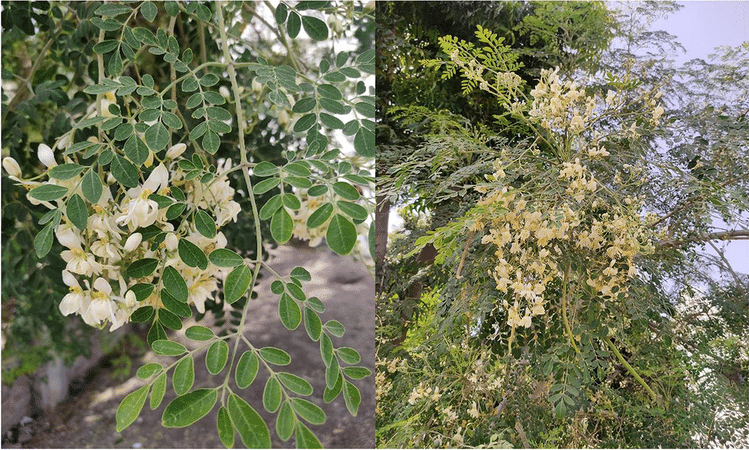
In Nepal, moringa is known as Nepali Name-Sital chini or Sajiwan. It is vital in traditional nutrition and medicine. Its leaves are consumed fresh or dried in curries, soups, and as nutritional supplements, while young pods are used in traditional dishes. Moringa is revered for its digestive benefits, anti-inflammatory properties, and antioxidant qualities, aiding in the treatment of conditions like diarrhea, dysentery, and colitis. Additionally, moringa’s roots and leaves are utilized for liver support and kidney stones. In cosmetics, moringa seed oil is valued for its moisturizing and anti-aging properties, while leaf extracts treat skin infections and wounds, reflecting its deep-rooted significance in health and wellness practices worldwide.
Moringa is remarkably nutrient-rich, boasting seven times more vitamin C than oranges, ten times more vitamin A than carrots, seventeen times more calcium than milk, nine times more protein than yogurt, fifteen times more potassium than bananas, and twenty-five times more iron than spinach.
In their 2016 review published in Food Science and Human Wellness, in India, Gopalakrishnan, Doriya, and Santhosh Kumar explored the nutritional benefits and medicinal uses of Moringa oleifera. They highlighted its significant nutritive value and its diverse applications in traditional and modern medicine. The study emphasized Moringa oleifera’s potential as a valuable dietary supplement and its role in promoting human health and wellness. The nutrient compositions of moringa is revealed below.
The nutrient compositions of leaves, leaf powder, seeds and pods.
| Calories (cal) | 92 | 329 | 205 | – | 26 |
| Protein (g) | 6.7 | 29.4 | 27.1 | 35.97 ± 0.19 | 2.5 |
| Fat (g) | 1.7 | 5.2 | 2.3 | 38.67 ± 0.03 | 0.1 |
| Carbohydrate (g) | 12.5 | 41.2 | 38.2 | 8.67 ± 0.12 | 3.7 |
| Fibre (g) | 0.9 | 12.5 | 19.2 | 2.87 ± 0.03 | 4.8 |
| Vitamin B1 (mg) | 0.06 | 2.02 | 2.64 | 0.05 | 0.05 |
| Vitamin B2 (mg) | 0.05 | 21.3 | 20.5 | 0.06 | 0.07 |
| Vitamin B3 (mg) | 0.8 | 7.6 | 8.2 | 0.2 | 0.2 |
| Vitamin C (mg) | 220 | 15.8 | 17.3 | 4.5 ± 0.17 | 120 |
| Vitamin E (mg) | 448 | 10.8 | 113 | 751.67 ± 4.41 | – |
| Calcium (mg) | 440 | 2185 | 2003 | 45 | 30 |
| Magnesium (mg) | 42 | 448 | 368 | 635 ± 8.66 | 24 |
| Phosphorus (mg) | 70 | 252 | 204 | 75 | 110 |
| Potassium (mg) | 259 | 1236 | 1324 | – | 259 |
| Copper (mg) | 0.07 | 0.49 | 0.57 | 5.20 ± 0.15 | 3.1 |
| Iron (mg) | 0.85 | 25.6 | 28.2 | – | 5.3 |
| Sulphur (mg) | – | – | 870 | 0.05 | 137 |
*All values are in 100 g per plant material
Source: Click here
For more link: Click here
For additional link: Click here
You May Also Like

Reducing belly fat without exercise
Curry Leaves: Uses, benefits and nutritive values