
Health education methods
Introduction
Health education is a social science that integrates knowledge from biological, environmental, psychological, physical, and medical sciences to promote health and prevent disease, disability, and premature death through education-driven voluntary behavior change activities. It represents the profession of educating individuals about health, involving the development of strategies at the individual, group, institutional, community, and systemic levels to enhance health knowledge, attitudes, skills, and behavior. When administered with great awareness by every health worker in various settings such as hospitals, schools, health centers, homes, and communities, health education emerges as a cost-effective yet powerful tool for promoting overall well-being.
Definition
“Health education is any combination of learning experiences designed to help individuals and communities improve their health, by increasing their knowledge or influencing their attitudes”. (WHO)
“Health education is a process which affects changes in the health practices of people and in the knowledge and attitudes related to such changes”. (Society of Public Health Education)
“Health education for the community is a learning process through which people in community inform or orient themselves for more intelligent health action”. (C.E Turner 1951)
Aims of Health education
- To foster an understanding among individuals that health constitutes a paramount community asset, encouraging them to actively pursue and maintain good health through their own actions and efforts.
- To instill a sense of responsibility among individuals for enhancing their health, both as individual members of families and contributors to the well-being of their communities.
- To cultivate scientific knowledge, attitudes, and skills related to health matters, empowering individuals to develop and sustain healthy habits.
- To educate individuals on the proper utilization of health services provided by the government, promoting access to and effective utilization of available healthcare resources.
- To modify behaviors that may directly or indirectly contribute to the occurrence or spread of diseases within a specific cultural context.
- To assist individuals in achieving and maintaining health through proactive personal actions and efforts.
- To equip individuals with the necessary knowledge to attain and maintain good health, including an understanding of disease occurrence and spread, enabling them to adopt relevant preventive measures.
- To generate an interest in individuals regarding their own health and well-being.
- To cultivate an interest in individuals for the health of other members of their families and the broader community in which they reside.
Objectives
- To encourage individuals to adopt and maintain health-promoting lifestyles and practices.
- To promote the appropriate utilization of available health facilities and services.
- To generate interest and motivation among individuals, providing new knowledge, improving skills, and fostering attitude changes to enable rational decision-making in addressing personal health issues.
- To stimulate individual and community self-reliance and participation in achieving health development, involving both individuals and communities at every stage, from problem identification to problem-solving.
Principles
- Credibility: This refers to the degree to which the communicated message is perceived as trustworthy by the receiver. Effective health education is grounded in facts and must align with scientific knowledge while also being culturally sensitive, compatible with the local educational system, and aligned with social goals. Trust and confidence in the nurse as a communicator are essential for ensuring desired actions follow the message.
- Interest: People are more likely to engage with information that aligns with their interests. Health teaching should address the genuine health needs of the people, known as “felt needs,” rather than relying on generic slogans. A successful health program is one that is tailored to the interests and felt needs of the community.
- Participation: Active involvement, especially from family members in patient care, enhances the effectiveness of practical, hands-on health education.
- Motivation: Every person has a fundamental desire to learn. Motivation can be classified into primary (e.g., sex, hunger, survival) and secondary motives, which are externally driven by factors like love, rewards, punishment, and recognition. In health education, motivation is crucial, and the need for incentives is the first step in facilitating learning and change. Incentives may be positive or negative.
- Comprehension: Understanding the education and literacy levels of the audience is crucial in health teaching. Effective communication involves using language that people understand, avoiding unfamiliar words, and ensuring that teaching aligns with the audience’s mental capacity.
- Reinforcement: Given that individuals may struggle to learn new information in a single session, repetition at intervals is necessary. Reinforcement through varied messaging increases the likelihood of information retention.
- Learning by doing: Active participation and hands-on learning contribute to better understanding. The principle of “learning by doing” emphasizes the importance of practical engagement.
- Known to unknown: The teaching process should progress from the familiar to the unfamiliar, from the concrete to the abstract. Starting with what the audience already knows provides a foundation for introducing new knowledge.
- Setting an example: Health educators should exemplify the principles they teach. Consistency between the educator’s actions and messages enhances the credibility of the information.
- Good human relations: Effective communication is facilitated by strong relationships. Developing good relationships with people is integral to successful health education, complementing communication skills.
- Feedback: In the system approach, feedback is essential for modifying elements based on the audience’s response. Effective communication in health education relies on continuous feedback for improvement.
- Leaders: People tend to learn best from those they respect. Leveraging local leaders in community health education programs, such as village headmen, school teachers, or political figures, can enhance program acceptance and implementation. Convincing leaders first often facilitates the success of a given health program.
Approaches to health education
- Individual approach- This approach focuses on one-on-one interactions with individuals. It is often used in clinical settings, where healthcare professionals provide personalized information and guidance to patients.
- Group approach- This approach involves educating a small to moderate-sized group of individuals with similar health concerns or interests.
- Mass approach- This approach aims to reach a large, diverse audience, often the general public, through various media channels.
Methods of health education
| Individual method | Group method | Mass method |
| 1. Interview 2.Counseling | 1. Interactive lectures/mini lectures 2. Demonstration 3. Discussion methods – Small group discussion – Panel discussion – Focused group discussion – Symposium – Buzz-session – Workshop – Conference – Seminars – Forum 4. Role play 5. Brain storming 6. Field trip 7. Puppet show 8. Problem solving (Problem based learning) 9. Simulation | 1. Lecture 2. Health museum and exhibition 3. Health campaign 4. Advertisement |
- Individual method
This method involves person-to-person or face-to-face communication, providing maximum opportunity for a two-way exchange of ideas, knowledge, and information. Adequate interaction between the health educator and their client helps make health education successful, resulting in attitude and expected behavioral change. Individuals often seek medical attention due to illness, providing an opportunity for health education. Topics such as diet, the nature of the illness, its causation, prevention, and personal hygiene can be addressed during these interactions. The health educator, when working with an individual, must first create an atmosphere of friendship and encourage the individual to express themselves as much as possible
Advantages
- Engaging in discussions allows us to effectively communicate, debate, and persuade individuals to reconsider and potentially change their behavior.
Disadvantages
- The reach is limited as we can only educate and interact with a small number of individuals, providing health education exclusively to those who come into direct contact with us.
Types of individual method
- Interview
- Counseling
- Interview
This method involves providing health education through a question-and-answer session between the health educator and the learner. The interview is a purposeful face-to-face interaction between the interviewer and the interviewee, aimed at gathering information about the interviewee’s knowledge, attitudes, and practices related to specific issues. Through this process, the interviewee’s knowledge, attitudes, feelings, and health practices are studied, and essential suggestions are provided to facilitate positive change.

Types of the interview
a. Planned or structured or formal interview: This type of interview follows a specific format, utilizing a predetermined questionnaire with instructions that must be strictly adhered to.
b. Semi-structured interview: While there is a structured interview guideline, the interviewer retains some flexibility to rephrase, add, or clarify questions in order to obtain detailed information.
c. Spontaneous or unstructured or informal interview: In this type of interview, no specific format or guidelines are provided. The interviewer has the freedom to ask questions as per their discretion, considering the context of the interview.
Techniques of successful interview
- Establishing contact: The initial step involves making contact with the interviewee. A prior appointment should be scheduled to confirm the time and place of the interview. This helps provide a sense of satisfaction to the interviewee.
- Starting the interview: Begin the interview by addressing the general aspects of the problem. Create a conducive atmosphere that allows the interviewee to express themselves freely. Progress from general to specific questions during the interview.
- Securing rapport: Effective communication depends on the development of good rapport between the interviewer and interviewee. A strong rapport helps overcome hesitation and shyness, encouraging the interviewee to share information openly.
- Recall: In moments when the interviewee becomes emotional or digresses from the main subject, provide sufficient time for recall and encourage them to recollect their thoughts. Occasionally, paraphrasing what the interviewee says can help refresh their memory.
- Probe questions: When the interviewee veers off course, intentionally or unintentionally, use probing questions to bring the discussion back to the main topic. Probing questions also aid in clarifying and obtaining detailed information by exploring various aspects of the situation.
- Encouragement: Throughout the interview, periodically encourage the interviewee by actively engaging with the information they provide. This can involve paraphrasing sentences, emphasizing certain words, and fostering an environment for open expression. Compliments should be genuine and not merely flattering.
- Guiding the interview: If the interviewee tends to agree more readily on less important topics and is hesitant on crucial matters, guide the conversation gently without causing offense. This ensures that the interview stays on track.
- Recording: Document the interview either on paper or tape, with prior notification to the interviewee. If taking notes, focus on key points while maintaining face-to-face contact during the interview.
- Closing the interview: Inform the interviewee upon completion and mutually conclude the interview. Avoid ending the interview abruptly to ensure a smooth conclusion.
- Report: Compile a report soon after the interview and communicate the findings to relevant personnel.
b. Counseling
Counseling is a face-to-face, unbiased, or objective-based, two-way communication process between a service provider and the client. In other words, it is a communication process in which the counselor provides accurate and comprehensive information to a client, assisting them in making informed and voluntary decisions.

Types of counselling
- Individual counselling
- Couple counselling
- Group counselling
Benefits of counselling
- Facilitates the acquisition of current knowledge, skills, and the development of appropriate attitudes.
- Enhances the ability to utilize available health services effectively.
- Supports early diagnosis and management of diseases.
- Promotes the appropriate use of health services, particularly preventive services.
- Counters rumors and misconceptions.
- Encourages behaviors that promote and maintain health.
Group method
Our society contains group of many kinds, school children, mothers, industrials workers, patients etc. Group teaching is an effective way of educating the community.
a). Mini-lecture/interactive lectures: Mini-lecture is the method of giving information about any subject matter with the help of short lecture or speech, maintaining the exchange of ideas between the speaker and the audience as well as evaluating what the audience perceived in between the speech.
Advantages
- Two-way communication is maintained between the speaker and the audience
- The audience gives maximum concentration on the speech
- Since there is quick evaluation in between the speech, the mini lecture can be changed according to the knowledge condition of the audience
- It can be effective in small groups within short time interval
Disadvantages
- It will be difficult for the speaker to present mini-lecture in short time as well as to evaluate effectively and change accordingly
- The audiences feel shy and embarrassed when they cannot answer the question asked by the speaker
- It can be applicable only for small groups
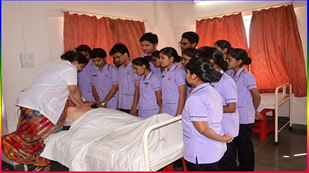
b) Demonstration: Demonstration is the process of providing knowledge and skill as well as developing attitude of a small group of people through the manipulation of appropriate teaching devices or materials. Teaching by demonstration involves verbal and visual explanation. It is a mixture of theoretical and practical teaching.
It is organized to teach about the specific topics and it takes 45 minutes to complete the demonstration but it slightly varies according to the topic. The number of learners in the group may be about 15 to maximum.
Technique of organizing and conducting demonstration
- Selection of topic
- Identify the content to be dealt in demonstration
- Establish some basic objectives
2. Preparation for demonstration
- Make a check list of necessary materials and ensure that they are available and accessible.
- Follow step by step
- Collect materials and check if they are in good condition
3. Starting the demonstration
- Arrange the proper place and seats
- Set up material in proper order
- Introduce yourself and clearly explain the topic and proposes of demonstration
- Conduct step by step as planned and make sure the learner sees the demonstration well
- Support demonstration with picture, chart and other materials or media
- Maintain eye contact ask question if they have understood
- Do not hurry and prolong demonstration
- Give opportunity to practice the demonstration
- Summarize at the end of demonstration
- Carefully store the equipment that used in the demonstration.
Advantages
- It is effective method which involves varies learning experiences like seeing hearing, feeling, testing smelling depending upon the subject of demonstration
- It is interesting and draws attention of each learner because of the active learning process
- It helps to develop not only knowledge and attitude but also skills for required work performance
- Student’s achievement could be immediately assessed through verbal expression and skill practice.
- Provides concrete and realistic visual picture of what is being taught resulting in a more long lasting impression
- Participants achievement could be immediately assess through verbal expression and skill practice
Disadvantages
- Time consuming if target group is large
- May be expensive
- Not appropriate for all topics
c). Discussions methods: A discussion method is the means by which people share experiences, ideas and attitudes. Discussion method enable to engage in an orderly verbal interchange and to express thoughts on a particular subject.
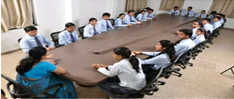
Small group discussion: Small group discussion is a planned conversation of a group of three or more people who are tasked to find solutions to some problems. This type of interpersonal communication is important especially in organizations, schools, government and non-government agencies, research foundations, business firms and the like for their functions to be carried out.
Classifications
1. According to focus, it may be:
- Inner focus discussion, or
- Audience focus discussion
2. According to format, it may be:
- Panel discussion,
- Round table discussion
- Symposium
3. According to purpose, it may be for:
- Pleasure
- Learning/information sharing
- Decision-making
- Problem solving
Panel discussion
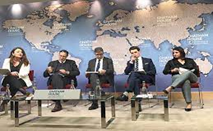
Panel discussion is one of the methods of group teaching. The panel members will be a group of experts normally 3 or 4 persons who themselves enter into question and answer process regarding a specific topic of discussion. The health educator can manage to identify and bring the experts. He can work as a coordinator to introduce topic and the experts, and also help conduct the discussion.
Advantage
- Provides varied knowledge, ideas and experiences about the subject of concern to the learners.
- Interesting and can draw attention of the audience or learners.
- Learners get opportunity to ask questions and pass comments, which help, in teaching-learning process.
Disadvantage
- Sometimes it is difficult to get the appropriate experts.
- Difficult to set definite time to suit the experts.
Focused group discussion
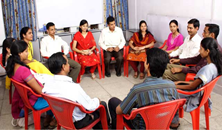
A focus group discussion is a qualitative research method used to gather information and insights about a particular topic, product, or service. It involves bringing together a small group of people (usually 6-10) who have similar characteristics or experiences and conducting a structured discussion to gain their opinions, perceptions, and attitudes on the topic of interest.
The discussion is typically led by a moderator who asks open-ended questions to encourage participants to share their thoughts and experiences. The moderator guides the conversation and ensures that all participants have the opportunity to share their views.
Advantages
- Enables free and open discussion, fostering the generation of innovative ideas for decision-making.
- Dynamic nature allows the moderator to make adjustments for better facilitation during the discussion.
- Non-verbal expressions such as gestures provide valuable insights for researchers.
Disadvantages
- Moderator’s control is contingent on experience; inexperienced moderators may struggle with dominant participants.
- Reluctance among respondents to share sensitive ideas publicly.
- Small sample size and heterogeneity may limit the ability to make accurate projections or form a comprehensive picture.
- FGD setup can be artificial, leading to unnatural responses and findings that may not reflect reality.
- Skills required to conduct discussion. Moderation skills, adaptability, experience in handling diverse participants, and awareness of non-verbal cues.
Symposium
A symposium is a series of speeches on a selected subject, with each person or expert presenting a brief aspect of the topic. Unlike a discussion, there is no interaction among the members during the symposium. However, at the conclusion, the audience has the opportunity to raise questions. The chairman provides a comprehensive summary at the end of the entire session.

Advantages
- Engaging and attention-grabbing format.
- Speakers have the opportunity to refine information retrieval and presentation techniques.
- Participants gain valuable insights and up-to-date knowledge from experts in the field.
- Fosters the development of listening skills and critical thinking among attendees.
Disadvantages
- Challenges in securing suitable experts for participation.
- Potential time-consuming nature of the event.
- Difficulty in coordinating schedules to accommodate the convenience of the experts.
Buzz session
A brief meeting involving a small group of individuals (10-12) aimed at generating quick ideas to facilitate group decision-making. The entire group is subdivided into smaller “buzz groups” tasked with collectively brainstorming solutions to a given problem. Unlike formal expert-led sessions, the emphasis is on group members discussing the problem independently for a few minutes. Following this, a spokesperson from each buzz group shares their collective thoughts with the larger group.
Workshop
Workshop is defined as assembled group of 10 to 25 persons who share a common interest or problem. They meet together to improve their individual and skill of a subject through intensive study, research, practice and discussion. A workshop is a meeting during which experienced people in response position come together with experts and consultants to find solutions to problem.
Timing of workshop
Minimum timing of workshop 1 day. Maximum timing of workshop 2-3 or more days
The workshops are organized to realize the following objective there are two types: psychomotor objective cognitive objective
- Psychomotor objectives- to develop skill to perform a task independently
- Cognitive objectives -to solve the problem of teaching profession.
Advantage
- Helps to provide up-to-date knowledge and skills as well as to develop appropriate attitude.
- Provide varied learning experiences like listening, speaking, discussion etc.
- Enhances participant’s power of thinking and critical learning.
Disadvantage
- Take long time to organize the workshop. It might take weeks or even months.
- Needs more money, materials and physical facilities.
- Sometimes it may be difficult to get appropriate consultant.
Seminar
In a seminar, experts from various disciplines convene to discuss a specific field. Participants gather to exchange views on current issues or share their problems, experiences, and recent experiments with others.
Advantages
- The student’s role is active, assuming a background knowledge is present.
- Properly conducted seminars teach scientific analysis methods and research techniques.
- The group, as well as individual students, engage in collaborative problem-solving.
- Exchange of facts facilitates the crystallization of a sound and workable group opinion.
- Seminars provide training in self-learning and foster independent thinking.
- Increased ability to perceive and address personal problems by comparing them with those of the group.
- Skillfully directed, seminars promote group spirit and cooperativeness.
Disadvantages
- Time-consuming nature of seminars.
- Not applicable to new students.
- Timid students may not experience improvement.
- Poor subject knowledge can lead to unnecessary discussions.
- The problem-solving approach may extend beyond professional and personal activities.
Forum
The forum method is a group discussion technique employed to generate and exchange ideas among a larger group of people.
The forum method involves:
- Dividing participants into small groups with assigned topics.
- Allowing time for research and argument preparation within each group.
- Bringing groups together in a larger forum or debate setting for presentations and discussions.
- Encouraging active listening, questioning, and respectful challenges during the discussion.
- After the forum or debate is over, participants are encouraged to reflect on what they learned and how their perspectives may have changed as a result of the discussion.
d). Role play
It is one of the group methods of health education that involves delivering a simple, single, and short message to the audience through acting out imaginary scenarios on stage. Role play does not require a written script, rehearsal, or specialized stage.
Procedure of role play
Pre-Role play stage:
- Determine the topic for the role play.
- Choose an appropriate time and venue.
- Arrange seating, lighting, and ventilation.
- Set the stage effectively for easy audience visibility.
- Collect and manage required materials
Actual performance stage:
- Commence the role play as planned.
End of the Role play:
- Have all role players provide a brief introduction.
- Interact with the audience to understand the perceived message.
- Explain the intended message conveyed through the role play.
- Receive feedback from the audience.
- Express gratitude for the audience’s participation and observation.
Advantages
- Provides learners with the opportunity to express their ideas based on real-life situations, fostering a practical understanding of the subject matter.
- Facilitates peer learning, allowing learners to share experiences and gain insights from one another.
- Encourages a perspective shift, enabling learners to see things through the eyes of others and understand how knowledge and attitudes influence health behavior.
Disadvantages
- There is a risk that the activity may be perceived as solely recreational, potentially undermining its educational value.
- Not all individuals may successfully engage in role-playing due to factors such as shyness, lack of experience, or insufficient confidence and expression skills.
- Limited opportunities for participation may arise, with some learners not getting the chance to act as role players, potentially hindering their engagement with the learning process.
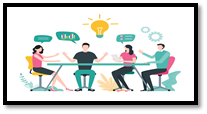
e). Brain storming (creative ideation): Brainstorming is a group creativity technique in which members collaboratively generate a multitude of ideas to address a specific problem. The process involves spontaneous contributions from participants, aiming to create an extensive list of potential solutions or concepts.
Advantages
- Brainstorming encourages students to engage in critical thinking, make connections, and share their ideas with peers, fostering a collaborative learning environment.
Disadvantages
- If the group is not properly controlled, brainstorming sessions can become time-consuming, potentially leading to inefficiencies and a lack of focus.
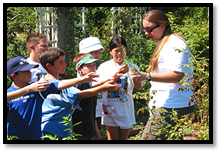
f). Field trip: A field trip is an educational practice through which learners acquire firsthand information by observing places, objects, phenomena, and processes in their natural setting.
Advantages
- Field trips enrich classroom learning by providing practical, real-world experiences.
- Learners have the opportunity to gather firsthand information from natural settings during field trips.
- Field trips offer natural stimulation, encouraging increased interactivity and creativity among learners.
- The immersive nature of field trips facilitates quick learning and improves long-term retention.
- Field trips provide an opportunity for learners to solve individual problems through group interaction in a natural setting.
Disadvantages
- Poorly planned field trips without specific learning objectives can result in the wastage of teaching-learning resources.
- Field trips can be expensive, posing a financial challenge for educational institutions.
- Safety and security of students are legitimate concerns associated with field trips that need careful consideration and management.
g). Puppet show; A puppet show is a form of entertainment or educational performance that involves the use of artificial figures, or puppets, whose movements are controlled by a puppeteer. Puppets are inanimate objects manipulated to create the illusion of movement. The puppeteer, the person controlling the puppets, is responsible for bringing the characters to life. Successful puppetry requires a blend of artistic skill and dramatization to achieve the desired effects.
Types of puppets
- Hand puppets: Puppets that are manipulated by the puppeteer’s hand inside the puppet’s body, with the puppeteer’s fingers operating the puppet’s head and arms.
- Finger puppets: Small puppets that fit over the puppeteer’s fingers, allowing for intricate and detailed movements.
- Shadow puppets: Puppets that create silhouettes on a screen or surface, with light behind the puppets casting shadows for the audience to see.
- Marionettes or string puppets: Puppets controlled by strings or wires attached to various parts of the puppet’s body, allowing for more complex movements.
- Stick puppets: Puppets mounted on sticks or rods that the puppeteer holds, enabling manipulation from below or behind a stage.
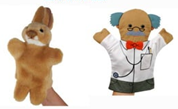
Each type of puppet offers unique possibilities for storytelling and performance, and puppet shows can be a versatile and engaging medium for conveying messages, stories, or educational content.
h). Problem solving/Problem based learning (PBL): “Problem-based learning is the fundamental human learning process that enabled primitive man to survive in his environment.” – Barrows and Tamblyn (1980)
Problem-Based Learning (PBL) is a student-centered learning strategy in which students collaboratively work to solve problems, reflecting on their experiences. In PBL, the learning process begins with a problem, inquiry, or puzzle that the learners actively seek to solve. – D.L. Bound, 1985.
Advantages
- Active and cooperative learning in problem-based learning fosters critical thinking and clinical reasoning skills.
- Stimulates students to engage in inquiry and critical thinking, as well as participate in peer teaching and peer evaluation.
- Enhances the application of knowledge in clinical situations.
- Increases student responsibility for self-directed and peer learning.
- Encourages teamwork and group collaboration, facilitating positive group dynamics.
Disadvantages
- Difficult and expensive to implement as a teaching technique, particularly in large class sizes.
- Evaluation can be challenging and may involve subjective assessments.
- Resource-intensive in terms of time and materials.
- Initial discomfort among both staff and students who may not fully understand how to proceed in problem-based learning.
- Measurement of learning outcomes can be challenging.
i). Simulation: Simulation is the imitation of the operation of a real-world process or system over time. The process of simulation involves the development of a model, representing the key aspects of the system or process being simulated.
Advantages
- Simulation facilitates the integration of theory and practice, providing learners with practical experiences.
- Learners can engage in experiences that closely resemble real-life situations.
- Motivates both teachers and learners, fostering an interactive and engaging learning environment.
- Stimulates learners towards purposeful activities, increasing motivation and interest.
- Serves as a bridge between the unreal and the real, enhancing the applicability of knowledge.
Disadvantages
- Requires substantial preparation on the part of teachers; some educators may be hesitant to take on additional workload.
- Can be time-consuming, potentially affecting the efficiency of the learning process.
Mass method
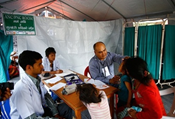
1.Health campaign: A health education campaign, often referred to as a health camp, is a method of providing health education focused on a specific health issue. Its primary goal is to motivate a large number of community members to take necessary actions to address their health concerns.
This approach involves informing the community about a particular health problem and encouraging active participation in community-based actions and programs. Health campaigns utilize various channels of communication and diverse methods of health education, including lectures, posters, pamphlets, street dramas, exhibitions, and more.
Health education camps can be organized on different subject areas, addressing various health issues. Examples include:
- Children’s nutrition campaign
- No Smoking campaign
- Immunization campaign
- Cleaning campaign
- Family planning campaign
Each campaign aims to raise awareness, educate, and mobilize the community towards positive health-related actions.
Advantages
- Health education camps effectively inform people about health problems, encouraging active participation in action programs.
- Provides health education or services to local people at no cost.
- Facilitates the change or modification of community people’s behavior.
- Educates a large number of community members efficiently.
- Goals can be easily achieved through this approach.
Disadvantages
- Organizing health education camps is challenging in terms of financial, material, and manpower resources.
- Difficulties arise in organizing for diverse groups of people with varying needs, backgrounds, and interests.
- Challenges in finding suitable locations and adjusting to available time due to resource limitations, unfavorable weather, etc.
- Health campaigns tend to consume more time.
2. Advertisement: Advertisement is a term in mass communication that involves the transmission of information by the manufacturer or seller of a product or service. Its purpose is to modify or stimulate the behavior of the buyer, encouraging them to purchase specific products.
Advertisements can take various forms of presentation, including signs, symbols, or illustrations, as well as commercials on print media, radio, or television. Advertising serves as the communication link between the seller and the buyer, enabling mass selling.
Purposes
- To persuade the audience to make a purchase.
- To inform the public or community about the products or services being offered.
- To stimulate consumer demand for goods and services.
- To encourage customers to make a purchase.
- To saturate the market.
- To attract new buyers and expand the customer base.
- To reassure employees or shareholders.
- To make the company viable and successful.
Advantages
- It informs consumers about the qualities and prices of goods, making purchasing easier for them.
- With advertised prices, consumers can make informed decisions.
- It contributes to the improvement of the quality of goods.
- Advertising attracts consumers by showcasing the quality of the advertised products.
- It raises the living standards of consumers.
- Helps improve sales and establish or strengthen the brand image.
- Enables the pinpointing of specific target markets.
- Allows the conveyance of messages to a large population or audience.
Disadvantages
- High cost is the biggest problems with advertising.
- Most companies try to offset the cast by passing the cost on to the customers via surcharge and higher price.
3. Lecture: A lecture is a method of delivering information and ideas through an oral presentation by a speaker to a large audience, typically in a face-to-face setting at a designated time and place. This approach is part of pedagogy, which is the broader practice of teaching and learning. In a traditional lecture, there is often a one-way flow of information, with learners primarily listening to the lecturer. This dynamic can create a culture of silence, where active participation and discussion are limited during the lecture. While lectures have been a longstanding and widely used instructional method, modern pedagogy recognizes the importance of incorporating interactive and participatory elements to enhance the overall learning experience and cater to diverse learning styles.
Characteristics of lecture
- Verbal and one-way communication of ideas and information by a speaker.
- The audience typically consists of a large and heterogeneous group.
- The message is often organized in a sequential manner.
- The lecture tends to be relatively long in duration.
Techniques of giving lecture effectively
- The subject of the lecture should be related to the needs and interests of the target audience.
- The speaker should communicate in a correct, simple, and clear manner, using a moderate speech pace.
- The speaker should possess thorough and up-to-date knowledge of the content.
- The speaker should remain alert, active, and display appropriate gestures.
- Avoid monotony in voice. Try to vary the pitch appropriately.
- The speaker should gauge audience feedback by observing their gestures, looking at different corners of the audience, and expressing concern for their engagement.
- Keep the speech brief to prevent audience boredom.
- The speaker should be sincere, engaging, and appropriately dressed.
Advantages
- One person can efficiently provide health education to a large audience simultaneously without the need for additional teaching materials.
- Cost-effective, making it suitable for various settings such as schools and communities.
- The message delivery can be organized systematically.
Disadvantages
- Lectures primarily involve one-way communication, lacking interpersonal interaction between the speaker and the audience. The lecturer is active while the listener is passive.
- Knowledge acquired through lectures may be retained for a short duration, limiting the potential for behavioral changes in the audience.
- Evaluation of the audience’s understanding and practical application of the lecture content is challenging.
- Sustaining audience attention for an extended period can be difficult.
4. Exhibition: A systematic and meaningful presentation of educational materials with the intention of educating a large number of people within a limited period and at a specific location is known as an exhibition. Various educational materials or media, such as posters, pamphlets, charts, real objects, cassette players, video cassettes, puppet shows, etc., are utilized to provide health education. The selection of objects is based on the learning needs of the target group, and they are displayed with appropriate captions to capture the attention of the viewers.
Planning of an exhibition
- Identify the target group and establish clear objectives.
- Select effective themes for the exhibition.
- Choose an accessible venue and determine a convenient time for the event.
- Prepare and collect the necessary budget and other resources.
- Determine the suitable materials and methods to be used during the exhibition.
- Ensure that captions used are appropriate, brief, and clear.
- Provide an interpreter when exhibits are not self-explanatory, especially for audiences in need.
- Offer local participants the opportunity to participate, and utilize local resources whenever possible.
Advantages
- Exhibitions are highly effective in providing health education as they allow the audience to undergo various experiences such as learning, seeing, touching, feeling, and tasting.
- Demonstrations and manipulation of objects offer opportunities for practical learning.
- Exhibitions enhance learning by adding sensory experiences, reinforcing skills and attitudes, leading to long-term retention.
- Organizing an exhibition can foster creativity.
- Being a mass method, exhibitions enable the education of a large number of people simultaneously.
- Exhibits can be stored for future reference.
- Exhibitions contribute to meeting the goals of an institution.
- Real situations and objects make exhibitions an attractive method of health education.
- Exhibitions can involve both literate and illiterate individuals.
- The saying “A picture is worth a thousand words” holds true, as visuals can convey more information than text alone.
Disadvantages
- Organizing exhibitions can be challenging in terms of financial, material, and human resources.
- Difficulty arises in organizing exhibitions that cater to diverse individuals with varying needs, backgrounds, and interests.
- Securing an appropriate venue and adjusting to available resources can be challenging due to resource constraints and unfavorable weather conditions.
Display board as teaching aids
A display board is a visual teaching aid in the form of a flat surface where information is arranged in an attractive manner for effective communication. Various types of display boards are used in education, including blackboards/chalkboards, bulletin boards, flannel boards, magnetic boards, etc. Materials for display can be created through drawing, painting, or collected from educational resources such as books. The key to effective display material is that it should be eye-catching, colorful, and purposeful. Display boards serve as a valuable tool for educators to present information, enhance learning experiences, and create an engaging visual environment in the classroom.
- Blackboard/chalkboard
A blackboard/chalkboard is a rectangular writing surface typically made of materials such as wood, ply, hardboard, cement, ground glass asbestos, slate, or plastic. It is coated with black, green, or bluish-green paint. White chalk sticks are commonly used for writing on the blackboard, and occasionally, colored chalk sticks are employed for better illustrations.
The chalkboard serves as a valuable tool for teachers to provide examples, illustrate concepts, and deliver notes to students. It is usually positioned facing the class, either built into the wall or fixed and framed on the wall, often with a protrusion to hold chalk sticks and a duster. Portable chalkboards are also available, mounted on a stand with adjustable height. Additionally, plastic and rubberized chalkboards can be rolled and carried around classrooms, making them convenient for hanging on the wall as needed.


Principles of using chalkboard
- Ensure that the size of lettering is large enough for proper visibility by the audience, with the recommended height of letters on the chalkboard between 6 cm to 8 cm.
- Plan chalkboard work in advance using simple brief phrases and keywords to aid clarity.
- Properly light the room to avoid glare on the chalkboard.
- Regularly rub off information that has been discussed and noted down by the audience.
- Utilize shading and underlining to emphasize keywords and statements.
- Incorporate supplementary teaching aids to reinforce and clarify main concepts, new words, and related figures.
- Avoid using abbreviations and ensure correct spelling in all written content.
- Organize the chalkboard layout, using the middle for the topic, the left-hand side for main information that may need reference, and the right-hand side for unfamiliar words or symbols that require explanation or key concepts requiring emphasis.
- Counteract the tendency for the shoulder to rise by subtly pulling the right shoulder down during writing, ensuring straight and aligned text. Always aim for writing in a straight line.
- Avoid talking or explaining while writing on the board when your back is turned to the audience.
- Utilize a soft cloth or foam duster for erasing the chalkboard.
- When erasing the writing on the chalkboard, rub vertically first and then horizontally.
- Erase information that will not be referred to throughout the talk, as an overcrowded board can be distracting.
- Position yourself to the side of the chalkboard while explaining a point to the audience. Use a pointer to direct attention to the written material on the chalkboard.
Advantages
- The chalkboard is a convenient visual aid for group teaching.
- The chalkboard is an economical teaching aid as it can be used repeatedly.
- It is a locally available technology and easily affordable.
- It saves the teacher’s time in summarizing the session.
- The chalkboard can function as a valuable supplementary teaching aid.
Disadvantages
- It may not be suitable for teaching large groups.
- It does not actively encourage learner participation.
- Chalk dust contributes to the uncleanliness of the classroom.
b). Bulletin board
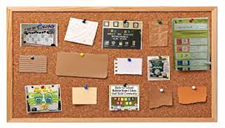
A bulletin board is a display board designed to showcase visual learning materials on a specific subject. Typically framed, it is constructed from materials such as soft-board, strawboard, or cork board, and items are affixed using thumb tacks. Portable types, such as folding boards, are also available. Bulletin boards often feature a blue blazer cloth as a backdrop, with a recommended size of 1.5m X 2m.
Various display items can enhance the board’s effectiveness, including interesting news, brochures, cartoons, poems, sketches, pictures, photographs, greeting cards, thoughts, and announcements. It is advisable to periodically change the materials on the bulletin board to reflect new topics and maintain relevance.
Principles
- Gather sufficient illustrative material from various sources on a given subject/topic.
- Organize the relevant material specifically for the subject or topic.
- Fix a title for the specific subject of the display material at the top center of the bulletin board.
- Below the title, provide a brief description of the specific subject or topic.
- Position the bulletin board at a height of one meter above the ground.
- Ensure that the area where bulletin boards are fixed or placed is well-lit.
Advantages
- Bulletin boards generate audience interest in specific subjects.
- They serve as effective follow-ups to chalkboard work.
- Bulletin board displays can introduce and review topics.
- Electricity is not necessary for usage.
- Easy to use and economical.
- Effective for group learning.
Disadvantages
- Functions primarily as a one-way communication tool.
- Less suitable for use in large group settings.
- Limited in promoting active group participation.
c) Flannel board
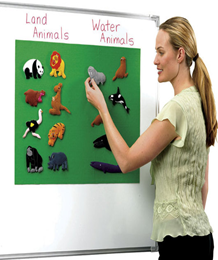
A flannel board is a display board made of wood, cardboard, or straw board covered with colored flannel or woolen cloth. Display materials such as cutouts, picture drawings, and lightweight objects backed with rough surfaces like sandpaper strips, flannel strips, etc., will temporarily adhere to the flannel board.
The most widely used size for a flannel board is 1.5m X 1.5m. Display materials can easily adhere to the flannel board and be removed, allowing for the replacement of materials in a sequence. This feature makes it convenient for presenting information in a dynamic and interactive manner.
Principles
- Collect pictures, light objects, or create cutouts, and back them with sandpaper pieces.
- Display the material on the flannel board in a sequential order.
- Periodically change the displayed pictures to maintain engagement.
- Utilize the flannel board to create appropriate scenes and designs relevant to the session.
- Position the flannel board at eye level for optimal visibility.
- Introduce the topic of teaching before using the flannel board.
- Avoid standing in front of the flannel board to ensure clear visibility for the audience.
Advantages
- A flannel board display captures the interest of the audience and holds their attention.
- The quick and easy changeability of display material on a flannel board, without using drawing pins, tacks, or paste, makes it a highly desirable and convenient display board.
- Portable and durable.
Disadvantages
- Difficulty in drawing or finding appropriate pictures.
- Limited capacity to accommodate information.
- Materials may not be visible to large groups.
- Corrections to displayed content are challenging.
d). Magnetic chalkboard
A magnetic chalkboard is a framed iron sheet with a ceramic coating in a dark color, typically black or green, and commonly sized at 24″ x 18″. This type of chalkboard can be utilized in various ways:
- To write with chalk sticks, glass marking pencil, and crayons.
- To display pictures, cutouts, and lightweight objects using disc magnets or magnetic holders.
A magnetic chalkboard seamlessly combines the functions of both a traditional chalkboard and a flannel board. Visual learning materials can be easily and quickly displayed with magnetic holders, while key points can be written directly on the magnetic chalkboard.
Advantages
- A magnetic chalkboard is a highly versatile and useful tool.
- Children find enjoyment in playing with magnets on the board.
- It combines the advantages of both a blackboard and a flannel board.
- The board is lightweight and portable.
Electronic projected aids
Electronic projected visual aids involve the presentation of pictures on a screen using specific machines such as a filmstrip projector, slide projector, overhead projector, or TV/VCR.
a) Slides and Film strips
Slide: A slide is a still transparency typically in 70mm, 35mm, or 6mm size, optically enlarged and projected onto a screen as real images. These slides consist of negatives of photographs captured by a still camera and can be either black and white or coloured.
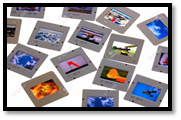
Film strips: A film strip is a series of sequentially arranged slides on a single piece of film, covering a significant portion of a lesson. Typically, a film strip consists of 20-50 slides or frames, extending over approximately half a meter to one and a half meters in length.

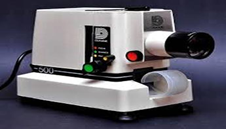
Slides & film strip projector: Slides and film strips are projected onto a screen using an optical instrument known as a slide and filmstrip projector. The projector operates on the principle that when a slide or film strip is illuminated, a set of convex lenses called the objective focuses the image of the slide onto the screen.
Advantages
- The slide and film strip projector requires simple skills to operate and serves as a convenient aid for making teaching interesting.
- Slides and film strips are small in size, commercially available, and easy to store and transport.
- Due to their repeated use, slides and film strips prove to be cost-effective.
- Specially prepared slides offer a logical and sequential order of presentation.
- The image on the screen can be held for any time interval, allowing for detailed discussion and explanations.
- Slides and film strips contribute to time efficiency in teaching.
- Slide projections capture the attention and interest of the audience.
Disadvantages
- No sound accompanies the pictures, unlike in motion pictures or movie films, which may affect its overall attractiveness.
- Challenges may arise in obtaining the appropriate filmstrip, projector, as well as ensuring a stable supply of electricity or batteries.
- Creating a filmstrip may present challenges in terms of time constraints, budget limitations, and other resource-related factors
b). Overhead projector (OHP)
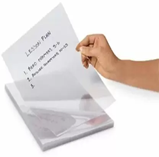
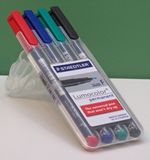
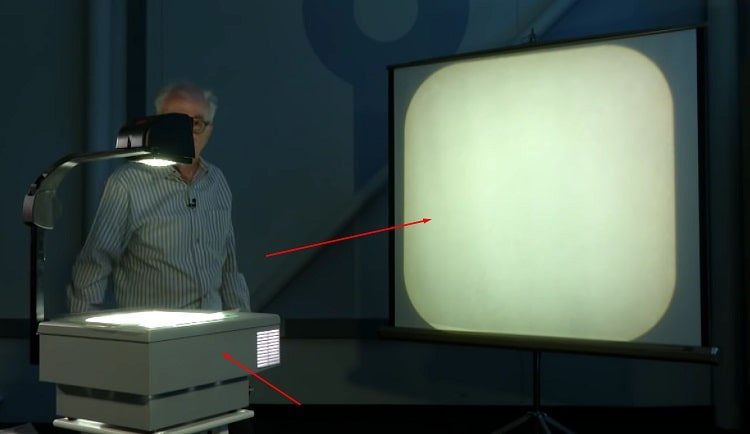
An overhead projector is an electrically operated machine used to project an enlarged image of symbols or letters written on a transparent acetate sheet. It projects images onto a screen positioned behind and above the teacher. The OHP is effective in soft light conditions and allows the audience to take notes while viewing the projections on the screen. The OHP typically consists of a metal box housing a 1000-watt bulb and a concave reflector. A condenser lens illuminates the transparency placed on the glass sheet on top of the box. It is advisable to switch off the bulb of the overhead projector for 5 minutes after every 10 minutes of use.
The effective use of the OHP depends upon two things:
- the preparation of transparency
- the operation of the projector
Technique of using transparency
- Fix the screen at the proper height, preferably at eye level. A white-washed smooth wall can sometimes be used as a screen.
- Place the projector on a table and sit beside it, facing the group.
- Adjust the room light to a moderate level of darkness.
- Position the transparency face up on the glass stage of the projector.
- Use a pointer if necessary to indicate specific points while explaining.
- Read from and point to the transparency itself rather than to the screen.
- When not in use, turn off the projector to prevent overheating, which may affect the bulb. Replacement bulbs are not only expensive but also readily available in the market.
Advantages
- Messages can be planned and written on transparencies ahead of time.
- Messages can also be written at the time of teaching for immediate use.
- Written messages can be wiped out when not needed, allowing for the addition of other appropriate content.
- The teacher can maintain eye contact with the audience, which is not always possible with other projection equipment.
- The overhead projector has a large opening and can project a variety of instructional materials, such as diagrams, charts, maps, worksheets, and graphs, once transferred onto the transparencies.
- The use of an overhead projector can be cost-effective, as transparencies can be used repeatedly.
- An enlarged image can be obtained with a relatively short projection distance, allowing the audience to sit close to the teacher and promoting better rapport.
Disadvantages
- It cannot be used in locations without electricity.
- Interruptions may occur if there is a power outage or if the bulb fuses during a session.
- Spare parts for the overhead projector may not always be readily available in the market.
Sources: Park, K. (2021). Park’s Textbook of Preventive and Social Medicine (26th ed.). Bhanot Publishers.
For more details: Click here
For additional link: Click here


0 Comments
Eugeneheapy
Your comment is awaiting moderation.
Thanks for an explanation. I did not know it.
__________