Effects of environmental pollution
Global warming
The planet is undergoing a warming trend, with temperatures increasing globally. The mercury has risen by more than 1 degree Fahrenheit (0.8 degrees Celsius) on a global scale and even more in sensitive Polar Regions. If current greenhouse gas emissions persist, the Earth’s surface is projected to rise by 1.5-5.5⁰C (2.7-9.9⁰F) by 2050. Land areas will experience quicker and more significant warming than oceans due to the slower warming capacity of water compared to land.

Effects of global warming
- Rising sea levels: Ongoing consequences include rising sea levels attributed to thermal expansion, melting glaciers, and ice sheets.
- Impact on food production: A warmer troposphere will lead to varied consequences for different regions, affecting food productivity due to factors such as lack of irrigation, increased crop-eating insects and diseases, higher transportation costs to move food to higher latitudes, and issues related to thinner and poorer soils with increased UV radiation at higher latitudes.
- Loss of forests and biodiversity: Global warming contributes to the loss of forests and poses a threat to biodiversity as ecosystems struggle to adapt.
- Human health and weather extremes: A warmer world disrupts food and fresh water supplies, displaces millions of people, and alters disease patterns, potentially leading to epidemics of diseases like malaria, encephalitis, yellow fever, dengue fever, and other insect-borne illnesses.
Greenhouse effect
Certain gases such as CO2, CO, and SO2 in the atmosphere have the capacity to trap heat emitted from the Earth’s surface, creating the greenhouse effect or atmospheric effect. Without this natural thermal blanketing, the Earth’s climate would be about 33⁰C too cold for most living organisms. Increased greenhouse gas emissions, primarily from human activities like burning fossil fuels and deforestation, intensify the greenhouse effect, resulting in global warming.
Additional effects of greenhouse gases
- Ocean acidification: Beyond global warming, greenhouse gases contribute to ocean acidification, impacting marine ecosystems.
- Smog pollution: The release of these gases contributes to the formation of smog, leading to air pollution and respiratory issues.
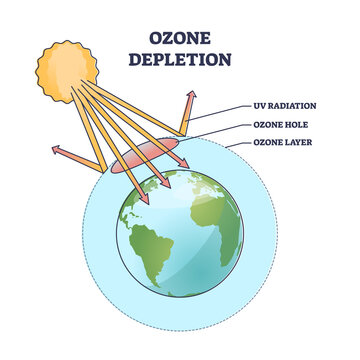
- Ozone depletion: Although not directly linked to the greenhouse effect, changes in atmospheric composition contribute to the depletion of the ozone layer, allowing harmful ultraviolet rays to reach the Earth’s surface.

Ozone layer depletion
Pollution creates holes in the ozone layer, enabling powerful ultraviolet rays from the sun to reach the Earth’s surface. Various atmospheric pollutants, including toxic chemicals and synthetic substances like DDT, enter the atmosphere, remaining intact and lingering for decades to a century, causing considerable damage.
Nuclear accidents
Among the potential environmental disasters caused by humans, nuclear disasters have the greatest damage potential. Radiation release from a nuclear disaster poses significant acute and chronic risks in the immediate vicinity and chronic risks over a wide geographic area. Concerns include nuclear reactors, transport of nuclear waste, and temporary storage of spent radioactive fuel, with added fears of terrorist activities following the 2001 attacks.
Toxic hazards
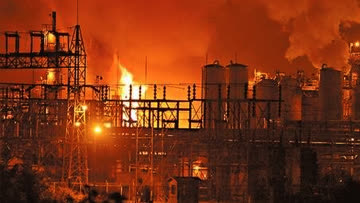
- Industrial and manufacturing processes: These processes generate solid and hazardous waste, some of which contain chemicals harmful to people and the environment.
- Pesticides: Intentionally released to kill living things, pesticides are used extensively in various environments, leading to widespread contamination in air, water, and soil.
- Toxic materials exposure routes: Toxic materials may enter the body through inhalation, skin contact, or ingestion. The most common route is inhalation, followed by skin contact, and less commonly, ingestion, often occurring accidentally through poor hygiene practices.
Environmental pollution, manifested through these various impacts, underscores the critical need for global efforts to mitigate and address these issues for the well-being of the planet and its inhabitants.

You May Also Like
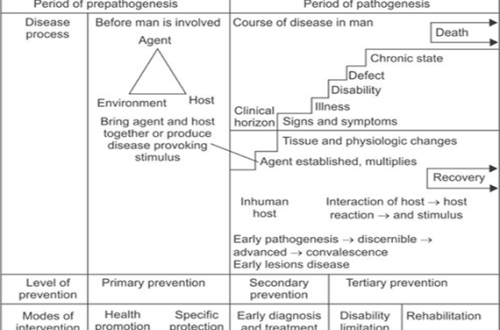
Natural history of disease

Changing concept of health
