Chia Seeds: Nutritive Value, Health Benefits and Possible Side Effects
Introduction
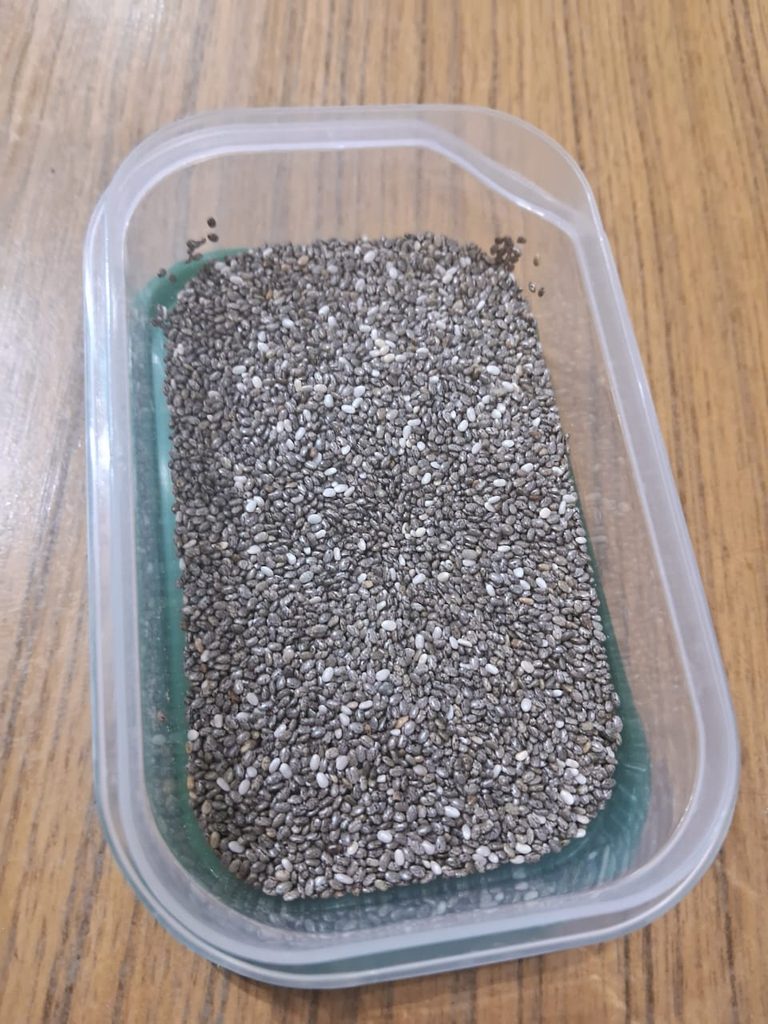
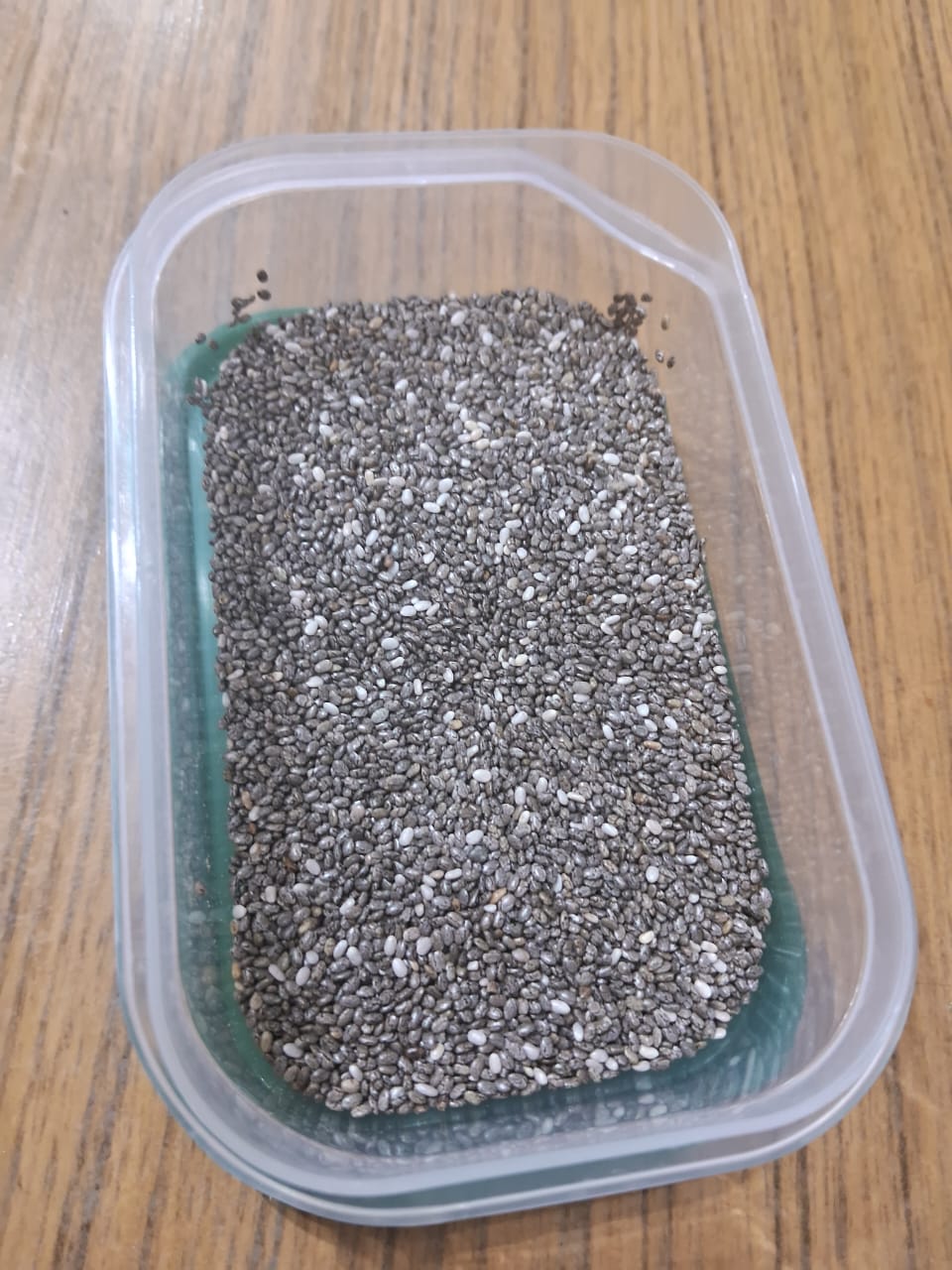
Chia seeds are small edible seeds obtained from Salvia hispanica L., a plant belonging to the mint family. They have become popular as a nutritious food because they contain dietary fiber, plant-based omega-3 fatty acids, protein, minerals, and other beneficial plant compounds.
Chia seeds can be easily added to yogurt, oatmeal, smoothies, cereals, salads and puddings. When soaked in liquid, they absorb water and form a soft, gel-like texture Research has studied the possible benefits of chia seeds for heart health, blood pressure, blood sugar, body weight, and inflammation. Some studies show benefits, but the results are not the same in all studies. Therefore, chia seeds are best included as part of a healthy, balanced diet and should not be used to treat diseases.
Nutritive value of Chia Seeds
According to the nutritional data summarized from United States Department of Agriculture. (USDA) and published studies, 100 g of chia seeds provides approximately:
| Nutrient | Amount per 100 g |
| Energy | 486 kcal |
| Protein | 16.5 g |
| Total fat | 30.7 g |
| Carbohydrate | 42.1 g |
| Dietary fiber | 34.4 g |
| Calcium | 631 mg |
| Iron | 7.7 mg |
| Magnesium | 335 mg |
| Phosphorus | 860 mg |
| Potassium | 407 mg |
| Zinc | 4.6 mg |
| Copper | 0.9 mg |
| Manganese | 2.7 mg |
| Sodium | 16 mg |
| Vitamin C | 1.6 mg |
| Thiamine (Vitamin B1) | 0.6 mg |
| Riboflavin (Vitamin B2) | 0.2 mg |
| Niacin (Vitamin B3) | 8.8 mg |
| Vitamin E | 0.5 mg |
| Folate | 49 µg |
Chia seeds are also a good plant source of alpha-linolenic acid (ALA), an essential omega-3 fatty acid.
Health Benefits of Chia Seeds
1. Supports digestive health
Chia seeds are high in fiber, which supports normal bowel function and may help prevent constipation. Fiber can also increase fullness. Increase chia seeds gradually to avoid bloating and digestive discomfort.
2. May support heart health
Chia seeds contain ALA (Alpha-Linolenic Acid) ,a plant-based omega-3 fatty acid, fiber, and other plant compounds that may support heart health. Some studies show possible benefits for blood pressure and waist circumference, but the evidence is not consistent. Chia seeds are not a treatment for heart disease.
3. May help maintain healthy blood pressure
Some studies suggest that chia seeds may help lower systolic blood pressure. However, more research is needed to confirm their long-term effects.
4. May support healthy weight management
The fiber in chia seeds can increase fullness and may help with weight management. However, chia seeds alone do not cause weight loss. They should be combined with a balanced diet and regular physical activity.
5. May have anti-inflammatory effects
Chia seeds contain ALA, along with fiber and phenolic compounds that may help reduce inflammation. Some studies have found a reduction in C-reactive protein (CRP), but more research is needed
6. May support healthy blood glucose levels
Chia seeds have been studied for their possible effects on blood glucose, HbA1c, and insulin. Results are mixed, and they should not be used as a treatment for diabetes. People with diabetes should continue their prescribed treatment and diet.
Possible side effects of Chia Seeds
Chia seeds are generally safe when consumed as a food in appropriate amounts. However, some people may experience side effects.
1. Digestive problems
Eating a large amount of chia seeds suddenly may cause:
- Bloating
- Gas
- Abdominal discomfort
- Changes in bowel habits
Increasing fiber intake gradually and drinking enough fluid can help reduce these problems.
2. Choking or swallowing problems
Dry chia seeds absorb liquid and expand. People with swallowing difficulties should avoid swallowing large amounts of dry chia seeds because they may present a choking or swallowing risk.
Mixing them with sufficient liquid or adding them to moist foods is a safer option for people who have difficulty swallowing.
3. Allergic reactions.
Possible symptoms may include skin reactions, swelling, vomiting, breathing difficulties, or other signs of an allergic reaction. Anyone who develops severe symptoms after eating chia seeds should seek immediate medical attention.
4. Medication considerations
People taking medicines for diabetes or high blood pressure should speak with a healthcare professional before regularly consuming large amounts of chia seeds or using chia supplements. Chia seeds should not be used to replace prescribed medicines.
Are Chia Seeds safe?
Chia seeds are generally considered safe as a food when consumed appropriately. The European Food Safety Authority has assessed the safety of chia seeds and identified allergenicity as an important consideration.
As chia seeds contain a high amount of fiber, people who are not accustomed to high-fiber foods should increase their intake gradually and maintain adequate fluid intake.
Chia Seeds and weight loss
Chia seeds are often promoted as a weight-loss food because of their high fiber content. Fiber can help increase fullness, but this does not mean that chia seeds directly cause weight loss.
Research in humans has produced mixed findings. A 2024 meta-analysis found that chia supplementation was associated with a reduction in waist circumference but did not significantly reduce BMI. Therefore, chia seeds can be included in a healthy weight-management diet, but they should not be considered a weight-loss treatment.
References
- Alizadeh, M., Khosravi, M., Ranjbar, G., & Hosseini, B. (2024). The effects of chia seed (Salvia hispanica L.) consumption on blood pressure and body composition in adults: A systematic review and meta-analysis of randomized controlled trials. Clinical Therapeutics, 46(12), e37–e49. https://doi.org/10.1016/j.clinthera.2024.10.016
- Kulczyński, B., Kobus-Cisowska, J., Taczanowski, M., Kmiecik, D., & Gramza-Michałowska, A. (2019). The chemical composition and nutritional value of chia seeds—Current state of knowledge. Nutrients, 11(6), 1242. https://doi.org/10.3390/nu11061242
- Kulczyński, B., et al. (2024). Effects of chia seed (Salvia hispanica L.) supplementation on cardiometabolic health in overweight subjects: A systematic review and meta-analysis of RCTs. Nutrition & Metabolism, 21, 74. https://doi.org/10.1186/s12986-024-00847-3
- Pam, P., et al. (2024). The effectiveness of chia seed in improving glycemic status: A systematic review and meta-analysis. Diabetes & Metabolic Syndrome: Clinical Research & Reviews, 18(6), 103065. https://doi.org/10.1016/j.dsx.2024.103065
- Saadh, M. J., et al. (2025). The effects of chia seed (Salvia hispanica L.) consumption on blood pressure and body composition in adults: A systematic review and meta-analysis of randomized controlled trials. Clinical Therapeutics, 47 (2), 168-175.https://doi.org/10.1016/j.clinthera.2024.11.012
- WebMD. (2026, May 11). Chia seeds: Health benefits, nutrients per serving, uses, safety information, and more. https://www.webmd.com/diet/health-benefits-chia-seeds

You May Also Like
Iron Deficiency in Women: Symptoms, Causes, Foods, Prevention & Treatment