Scrub Typhus: Symptoms, Causes, Diagnosis, Treatment and Prevention
Introduction
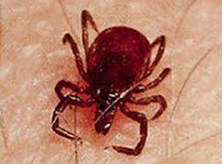
Scrub typhus, also called bush typhus or tsutsugamushi disease, is an acute febrile infectious disease caused by Orientia tsutsugamushi. It is an intracellular, Gram-negative bacterium. The infection is mainly transmitted to human through the bite of infected larval trombiculid mites, commonly known as chiggers.
Scrub typhus is mainly found in the Asia-Pacific region, including Southeast Asia, India, China, Japan, Nepal, Sri Lanka, and northern Australia. Nepal is an endemic area, and cases of scrub typhus have been increasingly reported in the country. Early diagnosis, appropriate treatment, prevention, and control are important for reducing complications.
The disease can range from a mild fever to severe illness. Scrub typhus is an important cause of fever without a clear diagnosis in endemic areas. It has also been recognized as an emerging and re-emerging infectious disease in parts of South-East Asia and the Western Pacific region.
Causative organism
Scrub typhus is caused by:
Organism: Orientia tsutsugamushi
It was formerly classified as Rickettsia tsutsugamushi.
Mode of transmission
Scrub typhus is transmitted primarily through the bite of an infected larval trombiculid mite (chigger).
The disease is not normally transmitted directly from person to person.
The risk is greater when people enter environments where infected chiggers are present, particularly areas containing dense vegetation, scrub, grasses, or other suitable mite habitats.
Incubation period
The incubation period is generally about10–12 day, although reported ranges vary.
Risk groups
People who spend time in areas where infected chiggers are present are at increased risk.
Important risk groups include:
- Agricultural workers
- Farmers and people working in fields
- Forestry and outdoor workers
- People living close to vegetation or bushy areas
- Trekkers and hikers
- People involved in outdoor recreational activities
- Military personnel working in endemic areas
- Travelers visiting endemic rural areas
- People living or staying in temporary shelters where rodent and mite exposure may occur
The risk is related primarily to environmental exposure to infected chiggers, rather than person-to-person contact.
Clinical features
Scrub typhus usually presents as an acute febrile illness.
Common clinical features include:
- Sudden onset of fever
- Chills
- Severe headache
- Malaise
- Weakness
- Myalgia
- Muscle and body aches
- Profuse sweating
- Lymphadenopathy
- Conjunctival congestion or injection
- Rash : Approximately 25- 50% of patients may develop a rash.
- Abdominal or gastrointestinal symptoms
- Altered mental status in severe disease
- Fever may be prolonged when treatment is delayed.
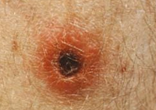
- Eschar: A dark or black, scab-like necrotic lesion that develops at the site of the chigger bite. However, an eschar is not present in every patient, so its absence does not exclude scrub typhus.
Diagnosis
Diagnosis of scrub typhus can be difficult because its early symptoms are similar to other febrile illnesses such as dengue, malaria, typhoid fever, and viral infections. Diagnosis is based on clinical features, exposure history, epidemiological setting, and laboratory testing. Treatment should not always be delayed while waiting for laboratory confirmation when scrub typhus is strongly suspected.
Laboratory diagnosis may include:
- Serological tests: IgM ELISA, indirect immunofluorescence assay (IFA), and indirect immunoperoxidase assay.
- PCR: Detects O. tsutsugamushi DNA from specimens such as whole blood, eschar material, or tissue.
- Paired serum samples: A four-fold rise in antibody titre between acute and convalescent samples support diagnosis.
- Weil–Felix test: Has low sensitivity and specificity and is not recommended as a reliable diagnostic test.
Complications
- Pneumonia
- Interstitial pneumonitis
- Acute respiratory distress syndrome (ARDS)
- Pulmonary edema
- Myocarditis
- Congestive heart failure
- Circulatory collapse
- Acute kidney injury or renal failure
- Liver dysfunction
- Gastrointestinal bleeding
- Encephalitis or meningoencephalitis
- Altered mental status
- Hemorrhage
- Multiple-organ dysfunction
- Death
Treatment
Early antibiotic treatment is important because delayed treatment increases the risk of severe complications.
Doxycycline
CDC identifies doxycycline as the treatment of choice for suspected scrub typhus.
For adults over 45 kg: Doxycycline 100 mg orally twice daily
For children under 45 kg: Doxycycline 2.2 mg/kg twice daily
Treatment should generally continue for at least 3 days after fever subsides and until clinical improvement is evident.
Treatment decisions, particularly in children, pregnancy, severe disease, allergy, or comorbid illness, should be made by a qualified healthcare professional.
Azithromycin
Azithromycin may be considered in selected situations, including when doxycycline is unsuitable. Treatment during pregnancy should be determined with appropriate clinical expertise.
Other alternatives
Depending on local guidance, antimicrobial susceptibility, contraindications, and clinical circumstances, other agents such as rifampicin or chloramphenicol may be considered.
Antibiotic selection should follow current national or institutional guidance and medical assessment.
Supportive management
Patients with severe disease may require supportive treatment for complications, such as:
- Oxygen therapy
- Fluid and electrolyte management
- Management of shock
- Respiratory support
- Management of renal failure
- Management of neurological complications
- Treatment of bleeding
- Intensive care when indicated
Severe cases may require hospitalization and management.
Prevention
There is currently no vaccine available to prevent scrub typhus.
Prevention therefore focuses mainly on reducing exposure to infected chiggers.
Personal protection
People entering potentially infested areas should:
- Wear long-sleeved clothing.
- Wear long trousers.
- Wear protective footwear or boots.
- Avoid sitting or lying directly on grass or bare ground.
- Use a ground sheet or suitable ground covering during outdoor activities.
- Use appropriate insect repellents according to product instructions. .
- Avoid areas with dense vegetation and brush when possible.
Environmental control
Environmental measures include:
- Clearing excessive vegetation around homes where appropriate.
- Maintaining clean surroundings and reducing rodent infestation.
- Reducing habitats suitable for rodents and chiggers.
- Applying appropriate environmental vector-control measures.
- Educating the community about high-risk environments.
Vector-control measures should be based on local epidemiology and environmental conditions.
References
- Centers for Disease Control and Prevention. (2024). About scrub typhus.
- Centers for Disease Control and Prevention. (2024). Clinical overview of scrub typhus.
- Epidemiology and Disease Control Division, Department of Health Services, Ministry of Health, Nepal. Scrub Typhus Guideline on Prevention and Control.
- World Health Organization Nepal. (2021). Virtual orientation on scrub typhus held.
- World Health Organization. A brief guide to emerging infectious diseases and zoonoses: Scrub typhus.

You May Also Like

Job satisfaction and morale