Iron Deficiency in Women: Symptoms, Causes, Foods, Prevention & Treatment
Introduction
Iron is an essential mineral needed to make hemoglobin, the protein in red blood cells that carries oxygen throughout the body. Women are particularly vulnerable to iron deficiency because of menstrual blood loss and increased iron requirements during pregnancy.
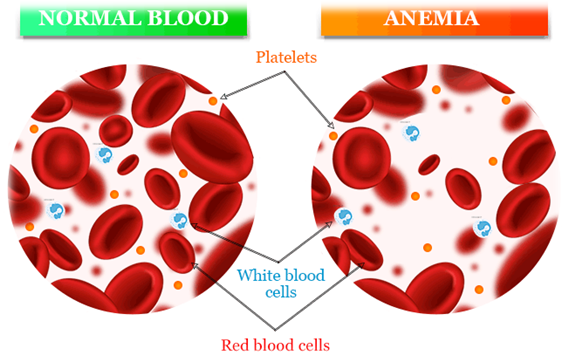
Iron deficiency develops when the body’s iron stores are too low to meet its needs. It can occur before anemia develops. When iron deficiency become severe enough to reduce hemoglobin production, it can result in iron-deficiency anemia (IDA).
Heavy menstrual bleeding, inadequate dietary intake, poor absorption, pregnancy, and chronic blood loss can increase the risk of iron deficiency.
Importance of iron in women
Iron is important for:
- Hemoglobin production
- Oxygen transport
- Energy production and normal body function
- Pregnancy and fetal development
- Normal physical and cognitive function
Symptoms of iron deficiency
Common symptoms may include:
- Fatigue and weakness
- Pale skin
- Dizziness or lightheadedness
- Headache
- Shortness of breath
- Fast heartbeat or palpitation
- Poor concentration
- Cold hands and feet
- Hair loss
- Brittle or spoon-shaped nails
- Pica or craving for substances with little or no nutritional value
Iron deficiency may occur without obvious symptoms, especially in its early stages.
Causes of iron deficiency in women
Common causes include:
- Inadequate dietary iron intake
- Heavy or prolonged menstrual bleeding
- Pregnancy
- Blood loss during childbirth
- Frequent blood donation
- Gastrointestinal blood loss
- Parasitic infections
- Poor absorption of iron
- Increased iron requirements
- Gastrointestinal conditions affecting absorption
Other nutritional deficiencies may also contribute to anemia, but they do not themselves represent iron deficiency.
Higher risk of iron deficiency in women
Women may have a higher risk of iron deficiency if they:
- Have heavy menstrual bleeding
- Pregnant
- Adolescents after menstruation begins
- Multiple pregnancies
- Low dietary intake of iron
- Donate blood frequently
- Chronic blood loss
- Gastrointestinal conditions affecting iron absorption
- Certain chronic diseases
Risk varies from person to person, so individual assessment may be necessary.
Iron requirements for women
Iron requirements vary according to age, pregnancy status, and other factors.
| Group | Approximate daily iron requirement |
| Adult women, 19–50 years | 18 mg/day |
| Adult women, 51+ years | 8 mg/day |
| Pregnancy | 27 mg/day |
These values are based on U.S. dietary reference values. Recommended intakes may differ between countries and according to individual circumstances.
Women with diagnosed iron deficiency may require treatment beyond the usual daily dietary requirement.
Sources of iron
Heme iron
Heme iron is mainly found in animal foods and is generally absorbed more efficiently than non-heme iron.
Sources include:
- Meat
- Fish
- Poultry
- Shellfish
Non-heme iron
Non-heme iron is mainly found in plant foods and fortified foods.
Sources include:
- Lentils
- Beans
- Chickpeas
- Soybeans and tofu
- Green leafy vegetables
- Nuts and seeds
- Fortified cereals
A varied diet containing different sources of iron can help improve iron intake.
Absorption of iron
Vitamin C can improve the absorption of non-heme iron.
Useful combinations include:
- Lentils + tomato
- Beans + lemon
- Green leafy vegetables + lemon
- Chickpeas + tomato
- Iron-rich meals + citrus fruits
Vitamin C-rich foods include oranges, lemons, guava, tomatoes, amla, other fruits and vegetables.
Tea and coffee contain compounds that can reduce the absorption of non-heme iron when consumed around meals. Therefore, avoiding tea or coffee close to iron-rich meals may help improve iron absorption
Iron deficiency during pregnancy
Pregnancy increases the body’s demand for iron because maternal blood volume increases and the developing fetus and placenta require iron.
Iron deficiency and iron-deficiency anemia during pregnancy can affect maternal and fetal health. Antenatal care commonly includes assessment for anemia, nutritional counseling and appropriate iron and folic acid supplementation.
Pregnant women should follow the supplementation recommendations provided by their healthcare professional or national maternal health program.
Effects on women’s health
Iron deficiency can affect more than hemoglobin levels. Women may experience:
- Reduced energy
- Fatigue
- Reduced physical performance
- Difficulty concentrating
- Reduced ability to perform daily activities
- Reduced quality of life
During pregnancy, iron deficiency and anemia are particularly important because maternal nutritional status is closely related to maternal and fetal health.
Diagnosis of iron deficiency
Iron deficiency cannot be diagnosed reliably from symptoms alone. A health professional may recommend blood tests according to the woman’s symptoms, risk factors and clinical condition.
Common tests include:
- Complete blood count (CBC)
- Hemoglobin
- Hematocrit
- Serum ferritin
- Other iron studies, when indicated
Important: Low hemoglobin indicates anemia, but iron deficiency can occur before anemia develops
When to seek care
A woman should seek medical evaluation for:
- Severe or persistent fatigue
- Shortness of breath
- Fainting
- Rapid or unusual heartbeat
- Very heavy menstrual bleeding
- Blood in the stool
- Black or tarry stools
- Persistent dizziness
- Symptoms during pregnancy
- Suspected anemia or iron deficiency
Very heavy menstrual bleeding should not simply be accepted as normal because it may contribute to iron deficiency.
Prevention of iron deficiency
Several measures can help reduce the risk of iron deficiency.
- Include iron-rich foods such as legumes, meat, fish, poultry, leafy vegetables, nuts, seeds, and fortified foods where available.
- Combine plant-based iron sources with vitamin C-rich foods to improve non-heme iron absorption.
- Women with unusually heavy or prolonged periods should seek medical evaluation.
- Attend antenatal care and follow recommended screening and iron-folic acid supplementation guidance.
- Do not take large amounts of iron without appropriate medical or public-health guidance.
Treatment of iron deficiency anemia
- Encourage a balanced diet containing iron-rich foods such as green leafy vegetables, pulses, beans, meat, eggs, and iron-fortified foods.
- Include vitamin C-rich foods to improve iron absorption.
- Avoid tea and coffee close to meals because they can reduce iron absorption.
- Oral iron is the usual first-line treatment for mild to moderate iron-deficiency anemia.
- Iron is generally given with folic acid during pregnancy.
- Continue treatment after hemoglobin improves to replenish the body’s iron stores.
- Intravenous iron may be considered when oral iron is not tolerated, ineffective, or when rapid correction is required.
- The choice and dose of intravenous iron depend on the severity of anemia and the clinical condition.
- Blood transfusion is reserved for severe anemia with significant symptoms, cardiac compromise, acute blood loss or when rapid correction is clinically necessary.
- Blood transfusion is not routinely used for uncomplicated iron-deficiency anemia.
- Identify and manage underlying causes such as inadequate dietary intake, excessive blood loss, parasitic infection, or poor iron absorption.
- Monitor hemoglobin levels and clinical response during treatment.
- If there is no improvement, assess treatment adherence, the diagnosis, ongoing blood loss, malabsorption or other possible causes.
Frequently Asked Questions
Q1. What are the first signs of iron deficiency in women?
Common symptoms may include tiredness, weakness, reduced energy, headache, dizziness, and difficulty concentrating. However, iron deficiency may occur without obvious symptoms in its early stages.
Q2. Can iron deficiency cause hair loss?
Iron deficiency may be associated with hair falling in some women. However, hair loss has many possible causes, so iron deficiency should be evaluated rather than assumed to be the cause.
Q3. Can heavy periods cause iron deficiency?
Yes. Heavy or prolonged menstrual bleeding can cause repeated iron loss and may eventually lead to iron deficiency and iron-deficiency anemia.
Q4. What foods are high in iron?
Iron-rich foods include meat, fish, poultry, shellfish, lentils, beans, chickpeas, soy products, leafy green vegetables, nuts, seeds and fortified cereals.
Q5. How can I increase iron absorption naturally?
Combine plant-based iron sources with vitamin C-rich foods such as lemon, tomato, guava, and oranges. Avoid tea or coffee close to iron-rich meals because they can reduce non-heme iron absorption.
Q6. How is iron deficiency diagnosed?
Blood tests such as complete blood count, hemoglobin, serum ferritin and transferrin saturation may be used to assess iron status.
Q7. What is the difference between iron deficiency and anemia?
Iron deficiency means that the body’s iron stores are too low. Iron-deficiency anemia occurs when iron deficiency becomes severe enough to reduce hemoglobin production and cause anemia.
Q8. Do women need more iron than men?
Women of reproductive age generally have higher recommended iron intakes than adult men because of iron loss through menstruation. Iron requirements also increase during pregnancy.
Q9. Is iron deficiency common during pregnancy?
Pregnancy increases iron requirements, making pregnant women more vulnerable to iron deficiency and anemia. Antenatal care, appropriate screening, dietary advice, and recommended supplementation help address this risk.
Q10. Can I take iron supplements without a blood test?
It is better not to take high-dose iron supplements without appropriate medical or public-health guidance. Symptoms such as fatigue or hair loss can have many causes, and unnecessary supplementation may cause side effects or delay diagnosis of another condition.
References
- Diagnosis and management of iron deficiency in females. (2025). Canadian Medical Association Journal.
- Konar, H. (2023). D.C. Dutta’s textbook of obstetrics: Including perinatology and contraception (10th ed.). Jaypee Brothers Medical Publishers.
- National Center for Biotechnology Information. (n.d.). Iron deficiency anemia. In StatPearls. National Library of Medicine.
- Park, K. (2023). Park’s textbook of preventive and social medicine (27th ed.). Banarsidas Bhanot.
- Priyam Study Centre. (2023, January). Iron deficiency anemia: Causes, symptoms, treatment.
- World Health Organization. (2025, February 10). Anaemia. World Health Organization.
You May Also Like
