Blood Pressure (BP)
Blood pressure refers to the force exerted by circulating blood against the walls of the blood vessels. It is a vital sign used to assess the health of the cardiovascular system. Blood pressure is expressed in two numbers:
- Systolic Pressure: It is the higher number in a blood pressure reading. It measures the pressure in your arteries when the heart contracts and pumps blood into the circulatory system. This is the point of maximum pressure in the arteries.
- Diastolic Pressure: Diastolic blood pressure refers to the lower number in a blood pressure reading. It measures the pressure in the arteries when the heart is resting between beats.
Blood Pressure levels
- Normal: Below 120/80 mmHg
- Elevated: Systolic 120–129 and diastolic <80 mmHg
- Hypertension stage 1: Systolic 130–139 or diastolic 80–89 mmHg
- Hypertension stage 2: Systolic ≥140 or diastolic ≥90 mmHg
- Hypertensive crisis: Systolic >180 and/or diastolic >120 mmHg (requires immediate medical attention)
Factors affecting Blood Pressure (BP)
- Lifestyle factors:
- Diet: High salt intake increases blood pressure, while diets rich in potassium, calcium, and magnesium help lower it.
- Physical activity: Sedentary lifestyle can lead to higher blood pressure.
- Alcohol: Excessive alcohol consumption raises blood pressure.
- Smoking: Nicotine raises blood pressure and damages blood vessels.
- Stress: Chronic stress can cause temporary increases in blood pressure.
- Biological factors:
- Age: Blood pressure naturally rises with age due to loss of elasticity in the arteries.
- Genetics: Family history of hypertension or hypotension increases the risk.
- Obesity: Excess weight puts extra strain on the heart, increasing blood pressure.
- Medical conditions:
- Kidney diseases: Impaired kidney function can lead to fluid retention and higher blood pressure.
- Diabetes: Can damage blood vessels and cause hypertension.
- Endocrine disorders: Conditions like hyperthyroidism or adrenal gland tumors affect blood pressure.
- Medications and substances:
- Certain medications (e.g., decongestants, birth control pills) and drugs (e.g., caffeine, cocaine) can increase blood pressure.
- Environmental and social factors:
- Poor socioeconomic conditions, lack of access to healthcare, and unhealthy living conditions can indirectly impact blood pressure.
Hypertension
Hypertension is a medical condition where the blood pressure in the arteries is consistently elevated, which means the force of the blood against the artery walls is too high. It is commonly referred to as high blood pressure.
A normal blood pressure reading is typically around 120/80 mmHg. Hypertension is diagnosed when blood pressure readings consistently exceed 130/80 mmHg.
Symptoms
- Often called the “silent killer” because it usually has no symptoms.
- Severe cases may cause headaches, shortness of breath, chest pain
- Dizziness or fainting.
- Blurred vision.
- Fatigue or lack of concentration.
Complications
Uncontrolled high blood pressure can lead to:
- Cardiovascular Diseases:
- Heart Attack (Myocardial Infarction): Increased strain on the heart can lead to coronary artery disease and heart attack.
- Heart Failure: Over time, the heart may become too weak to pump blood effectively.
- Stroke: High blood pressure can cause arteries in the brain to burst or become blocked, leading to a stroke.
- Kidney damage: Chronic Kidney Disease (CKD): High BP damages the arteries in the kidneys, impairing their ability to filter waste.
- Eye damage (Hypertensive Retinopathy): Damage to the blood vessels in the eyes can result in vision loss.
- Aneurysm: Persistent high pressure can weaken blood vessels, causing them to bulge (aneurysm) and potentially rupture.
- Cognitive decline: Hypertension is linked to dementia and Alzheimer’s disease due to reduced blood flow to the brain.
Prevention and management
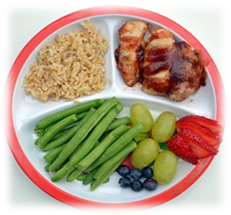
- Healthy diet: Follow a balanced diet rich in fruits, vegetables, and whole grains e.g., Dietary Approaches to Stop Hypertension(DASH) diet.
- Physical activity: At least 30 minutes of moderate exercise daily.
- Weight management: Maintain a healthy body weight.
- Limit sodium and alcohol: Reduce salt intake and avoid excessive alcohol consumption.
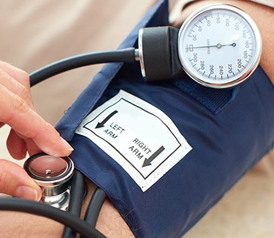
- Regular monitoring: Check blood pressure regularly to detect any issues early.
Treatment
The treatment goal for hypertension is to lower Blood Pressure and reduce the risk of complications like heart disease and stroke.
1. Lifestyle changes (First line of treatment):
- Dietary changes:
- Follow the DASH diet (Dietary Approaches to Stop Hypertension): Rich in fruits, vegetables, whole grains, and low-fat dairy.
- Reduce sodium intake to less than 2,300 mg/day (ideally 1,500 mg/day for high-risk individuals).
- Increase potassium intake through foods like bananas, spinach, and avocados.
- Physical activity: Engage in at least 30 minutes of moderate aerobic exercise most days of the week.
- Weight loss: Losing even 5-10% of body weight can significantly lower BP.
- Limit alcohol: No more than 2 drinks/day for men and 1 drink/day for women.
- Quit smoking: Smoking damages blood vessels and worsens hypertension.
- Stress management: Practice relaxation techniques like yoga, meditation, or deep breathing.
2. Medications:
Hypertension medications are prescribed based on severity and individual health conditions:
- Diuretics: Help the body eliminate excess sodium and water (e.g., hydrochlorothiazide, furosemide).
- ACE Inhibitors: Relax blood vessels by preventing the formation of a hormone that narrows them (e.g., lisinopril, enalapril).
- Angiotensin II Receptor Blockers (ARBs): Block the effects of the hormone angiotensin (e.g., losartan, valsartan).
- Calcium Channel Blockers: Relax blood vessel walls (e.g., amlodipine, nifedipine).
- Beta-Blockers: Reduce the heart’s workload and slow its rate (e.g., metoprolol, atenolol).
- Renin Inhibitors: Reduce renin production, which lowers blood pressure (e.g., aliskiren).
3. Monitoring and Follow-Up:
- Regular BP monitoring to track progress.
- Adjust medication or lifestyle changes based on results.
4. Emergency Treatment (Hypertensive Crisis):
- Hypertensive urgency: Oral medications like captopril or clonidine to gradually lower Blood Pressure.
- Hypertensive emergency: Intravenous drugs like nitroprusside or labetalol in a hospital setting to quickly reduce Blood Pressure.
References:
Kozier, B., Erb, G. L., Berman, A., Snyder, S. J., & Heed, S. K. (2020). Kozier & Erb’s fundamentals of nursing: Concepts, process, and practice (11th ed.). Pearson.
Potter, P. A., Perry, A. G., Stockert, P. A., & Hall, A. M. (2023). Fundamentals of nursing (10th ed.). Elsevier

You May Also Like

Curry Leaves: Uses, benefits and nutritive values
Aloe Vera for skin, hair, and health